
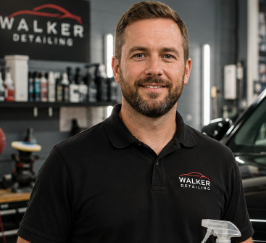
Mobile car cleaning brings professional car care to your driveway, office, or parking spot so you save time and avoid the hassle of driving to a shop. It covers everything from quick exterior washes and interior vacuuming to full-detail services like paint correction, ceramic coatings, and odor removal, all performed on-site with pro tools and products.
You can expect technicians to use safe soaps, microfiber towels, proper drying methods, and targeted treatments for stains, pet hair, and paint contamination. James Walker from Tech9AutoRepair.com often notes that a skilled mobile pro can match garage-quality results by following proven steps and using the right products.
Mobile services fit busy schedules and help protect your car’s value with regular maintenance and paint protection options. If you want convenience plus expert care, a mobile cleaner brings efficient, effective results without interrupting your day.
Key Takeaways
- Mobile cleaning delivers pro-level care at your location to save time.
- On-site detailers use proper products and step-by-step methods to protect paint and interiors.
- Regular mobile maintenance helps preserve a vehicle’s appearance and resale value.
Types Of Mobile Car Cleaning Services
Mobile car cleaning covers surface washing, deep interior work, and full-detail packages. Each option shows clear differences in time, tools, and protection level.
Exterior Washing Options
Exterior services focus on paint, wheels, glass, and trim. Basic washes use pressure rinses and pH-balanced soap to remove dust and road grime quickly. They typically take 15–30 minutes for a sedan.
More thorough exterior options include clay bar treatment, polish, and wax or sealant application. Clay removes bonded contaminants; polishing corrects light scratches and swirls; wax or sealant adds water beading and UV protection. These steps add 30–90 minutes depending on vehicle size and condition.
Wheel and tire care often uses separate brushes and chemicals to remove brake dust safely. Glass treatments and trim restoration are common add-ons that improve visibility and curb appeal.
Interior Cleaning Methods
Interior cleaning ranges from a quick vacuum to deep shampoo and odor removal. A basic interior clean includes vacuuming carpets and seats, wiping surfaces, and cleaning windows. That service usually takes 20–45 minutes.
Deep interior methods include shampooing carpets, steam cleaning upholstery, leather conditioning, and disinfection. Steam and hot-water extraction remove stains and embedded dirt. Leather care restores suppleness and helps prevent cracking. Technicians may use ozone or enzyme treatments for persistent odors and pet smells.
Detailers separate cleaning zones—dash, console, seats, floor, trunk—and use specific tools for each. This prevents cross-contamination and yields a more thorough result.
Mobile Detailing Packages
Detailing packages bundle services for convenience and predictable pricing. Common tiers look like this:
| Package | Typical Inclusions | Time |
|---|---|---|
| Basic | Exterior wash, quick interior vacuum, window clean | 30–60 min |
| Standard | Full exterior wash, interior wipe down, tire dressing, basic polish | 1–2 hrs |
| Premium | Paint correction, sealant/wax, deep interior shampoo, leather care | 2–5+ hrs |
Packages let customers pick by budget and need. Add-ons like headlight restoration, paint protection film, or ceramic coating are often listed separately and priced per vehicle.
Step-By-Step Mobile Car Cleaning Process
This section breaks the job into clear actions: inspect the vehicle, use the right tools, and finish with proper drying and protection. Each step targets common problem areas and uses techniques that reduce swirl marks, water spots, and residue.
Initial Vehicle Assessment
They begin by checking the vehicle’s condition and noting areas that need special care. This includes identifying paint defects (scratches, oxidation), fragile trim, cracked windows, and heavy soiling in wheel wells or door jambs. Interior checks note stains, odors, pet hair, and sensitive surfaces like leather or touchscreens.
They document findings and agree on services with the customer before starting. This avoids surprises and sets expectations for time and cost. Technicians also look for warning stickers, aftermarket parts, or loose items that could be damaged during cleaning.
A quick test wash on a small paint area can reveal embedded contaminants. That helps decide whether to clay, polish, or just wash. They also check water access and parking space to plan equipment placement and workflow.
Cleaning Tools And Equipment
They bring a core kit: pressure washer or low-pressure mobile unit, dual-action polisher, carpet extractor, wet/dry vac, and microfiber towels. For chemicals, they carry pH-neutral shampoo, degreaser, wheel cleaner, glass cleaner, leather cleaner/conditioner, and quick detailer spray.
Use this table to compare tools and their main uses:
| Tool | Main Use | Why It Matters |
|---|---|---|
| Pressure washer | Remove loose dirt and road grime | Saves time and reduces scrubbing |
| DA polisher | Light paint correction | Reduces swirls without burning paint |
| Carpet extractor | Deep-clean carpets and upholstery | Removes embedded dirt and stains |
| Microfiber towels | Drying and final wipe-downs | Minimizes scratches and lint |
They organize supplies in bins or shelves inside their van to keep chemicals sealed and tools secured. They choose microfiber and foam pads of the correct grade to avoid damage. Proper dilution and testing of cleaners on a small area prevent staining or fading.
Drying And Finishing Techniques
They dry the vehicle immediately after rinsing to prevent water spots. Use a clean, thick microfiber drying towel or a blower to push water from crevices and mirrors. Work from top to bottom and replace towels if they become saturated.
For paint protection, they apply a spray sealant or wax depending on the service level. Apply product in thin, even layers and buff with a clean microfiber to avoid streaks. For clear-coat correction, a final pass with a light polish restores gloss without overworking the paint.
Interior finishing includes dressing vinyl and conditioning leather to prevent cracking. Glass gets a water-repellent on the exterior and a streak-free cleaner inside. Wheels and tires receive a matte or satin tire dressing applied sparingly to avoid sling on the paint.
Primary Benefits For Car Owners
Mobile car cleaning saves time, protects vehicle value, and lets owners pick specific services and eco-friendly options. It brings professional-grade tools and trained staff to the vehicle’s location, so owners avoid trips and long waits while getting tailored care.
Time And Convenience
Mobile teams arrive at homes, offices, or other parking spots, so drivers do not need to spend time driving to a shop or waiting in line. Appointments often fit around a workday or errands, and many providers offer online booking and reminders.
This saves hours compared with traditional washes and detailing shops. For busy households or small businesses with fleets, on-site cleaning reduces downtime and keeps vehicles available for use.
Mobile services also handle setup and cleanup. They bring water, power, and all cleaning supplies, so no prep is needed from the owner. Payment is usually digital, which speeds the whole process.
Eco-Friendly Approaches
Many mobile operators use low-water or waterless cleaning methods to cut water use substantially. Some use concentrated, biodegradable soaps and microfiber towels that reduce chemical runoff and waste.
A simple comparison shows common options and their environmental impact:
| Method | Water Use | Chemical Impact | Typical Benefit |
|---|---|---|---|
| Traditional rinse-and-wash | High (50–150+ gallons) | Standard detergents | Fast, thorough, higher runoff |
| Low-water/detail wash | Low (5–15 gallons) | Concentrated, biodegradable | Good balance of cleanliness and conservation |
| Waterless cleaning | Minimal to none | Specialized biodegradable sprays | Best for light dirt, minimal runoff |
Providers often follow local regulations for wastewater disposal. Owners should ask how used water and chemicals are handled to ensure compliance and lower environmental risk.
Customized Service Options
Mobile detailing offers tiered packages and à la carte add-ons, so owners pay only for what they need. Common packages include exterior wash, interior vacuum and shampoo, paint correction, and ceramic coating. Add-ons can include headlight restoration, engine bay cleaning, and odor removal.
Detailers can tailor service frequency and products for vehicle type and condition. For example, a daily driver may get routine washes and interior tidy-ups, while a collector car might receive paint correction and protective coatings.
Many providers keep records of past services and recommend schedules based on climate and usage. This helps preserve paint, fabrics, and resale value with planned maintenance rather than one-off fixes.
Essential Products Used In Mobile Car Cleaning
Mobile car cleaning relies on carefully chosen products that clean without harming paint, trim, or fabrics. The right items save time, reduce water use, and protect vehicle surfaces between services.
Vehicle-Safe Cleaning Agents
They use pH-balanced car shampoos, all-purpose cleaners, and upholstery cleaners formulated for automotive surfaces. pH-neutral shampoos remove road grime without stripping wax or sealant. For heavy contamination, an alkaline-safe degreaser works on wheel wells and engine bays but should be rinsed thoroughly.
Fabric and carpet cleaners include enzyme or solvent blends for stains and odors. Leather cleaners use mild surfactants and conditioners to clean without drying leather. Technicians test small areas first to avoid color loss or finish damage.
Common delivery forms are spray bottles, concentrated jugs, and foam cannons. Concentrates save space and weight in a mobile rig while foam application reduces dilution errors and dwell time.
Waterless Solutions
Waterless wash products let technicians clean cars without hoses when light dirt is present. They combine lubricants and detergents to encapsulate and lift dirt so microfiber towels can remove particles without scratching paint.
Use the two-towel method: one towel to lift contaminants, another to polish. Waterless sprays work best on recently washed or lightly soiled vehicles. They are not suitable for heavy mud or thick grime.
Here is a quick comparison table for common waterless product types:
| Product Type | Best For | Limitations |
| Waterless wash spray | Light dust, pollen, city grime | Not for heavy mud or salt crust |
| Detailing spray | Quick shine and remove light fingerprints | Minimal cleaning power |
| Foam detailer | Added lubrication for safer wiping | Requires quality microfiber to avoid marring |
Protective Waxes And Sealants
Waxes and synthetic sealants protect paint after cleaning. Carnauba wax gives deep gloss but wears faster and needs more frequent reapplication. Synthetic sealants last longer, resist water spotting, and often offer stronger UV protection.
Application can be by hand or machine. Liquid sealants spread quickly and cure in minutes; paste waxes require more effort but can deliver richer depth on darker paints. Ceramic coatings provide longer-term protection and hydrophobic performance but need a clean, corrected surface and more time to apply.
Technicians choose products based on vehicle use, customer budget, and expected durability. They follow manufacturer cure times and avoid applying in direct sunlight to reduce streaking and ensure proper bonding.
How To Choose A Reliable Mobile Car Cleaning Provider
Look for a provider with clear proof of quality, defined service areas, and transparent pricing. These three points affect safety, convenience, and whether the service fits the vehicle owner’s needs and budget.
Reputation And Credentials
They should show verifiable customer reviews on Google, Yelp, or Facebook with recent dates. Look for consistent ratings above 4.0 and comments that mention punctuality, care for paint, and thorough interiors.
Verify business details: a business license, local registration, and insurance (general liability and inland marine or commercial auto if they transport equipment) protect the owner from damage or injury claims. Ask for technician certifications (e.g., detailing schools or manufacturer training) when specialty coatings or paint correction are offered.
Request before-and-after photos of similar jobs. A responsive provider will answer questions about products used, provide references, and explain damage‑prevention steps like paint-safe brushes, microfiber towels, and water reclamation if required.
Service Coverage Areas
Confirm the exact service area and any travel fees. Providers often list zip codes or city names; ask for confirmation if the vehicle’s location sits near the edge of their map.
Check on-site requirements: some detailers need access to water, power, or a shaded area. If the vehicle parks on a public street, confirm permits or restrictions. For workplace or gated communities, verify they can enter during the requested time and whether the client must arrange access.
Find out scheduling windows and typical travel time. Reliable companies offer real-time ETA updates and reserve travel buffers for traffic. If multiple vehicles need service, confirm fleet discounts and whether they can handle back-to-back appointments at the same location.
Pricing And Value
Request a written estimate that lists services, product brands, time estimates, and any extra fees. Common add-ons include pet-hair removal, engine bay cleaning, ceramic coatings, and headlight restoration. Clear line items prevent surprise charges.
Compare price against service depth. A low flat fee may only cover a basic wash; detail packages that include clay bar, polish, or sealant will cost more but give longer-lasting results. Ask about guarantees or follow-up fixes if the owner finds missed spots.
Check payment options and cancellation policies. Reputable providers accept cards, have secure invoicing, and state their rescheduling fees. Knowing these rules ahead of time makes the transaction smoother and reduces disputes.
Common Challenges And Solutions
Mobile car cleaning faces time, equipment, and surface-specific problems that affect results and customer satisfaction. The most important fixes are planning for weather, using the right stain removers and tools, and matching methods to each vehicle type.
Weather And Scheduling Issues
Mobile teams must handle rain, wind, and extreme heat that can ruin a wash or slow drying. They use digital booking with weather buffers and real‑time alerts to move appointments earlier or later. Technicians often add a 15–30 minute window for prep and drying when forecasts show high humidity.
For windy or dusty sites, crews bring pop‑up canopies and secure supplies in closed bins to keep contaminants off wet paint. In hot sun, they work in shaded areas or use quick‑detail sprays and microfiber drying towels to prevent water spots. Clear cancellation and rescheduling policies with automatic messages reduce no‑shows and client confusion.
Dealing With Stubborn Stains
Tough spots like bird droppings, tree sap, tar, and brake dust need different chemicals and care to avoid paint damage. Technicians start with a safe pH‑neutral cleaner, test a small area, then use targeted solvents or clay bars for contaminants. They avoid aggressive scrubbing that can scratch clear coats.
For interior stains—coffee, ink, or grease—professionals use enzyme cleaners for organic spots and solvent blends for oil‑based marks. Steam cleaning loosens deep grime from fabric and crevices without soaking padding. Technicians document stain treatments in photos and notes to track what works for each vehicle type.
Optimal Results For Different Vehicle Types
Large SUVs, matte finishes, and vintage cars require tailored approaches to protect surfaces and show value. For matte or satin paints, teams use non‑polishing cleaners and matte‑safe sealants; they never use high‑speed polishing machines that add shine. For ceramic‑coated cars, technicians use pH‑balanced shampoos and avoid clay bars unless necessary.
Trucks with exposed bed surfaces get degreasing and water‑repellent treatments, while convertible interiors need fabric protectants and UV blockers. Luxury and classic cars get low‑pressure rinses, soft brushes, and glove‑only contact to reduce risk. For more on paint care basics, technicians sometimes consult reference guides like automotive paint techniques to verify safe methods.
Future Trends In Mobile Car Cleaning
Mobile car cleaning will change with smarter tools and greener operations. Expect faster services, less water use, and apps that manage bookings, payments, and subscriptions for regular care.
Advancements In Cleaning Technology
Technicians will use low‑water systems, steam cleaners, and portable hot‑water extractors to remove dirt and bacteria more effectively. These tools cut drying time and reduce the need for multiple products.
Detailing vans will add onboard power systems and compact pressure washers that deliver consistent pressure and heat without generators. This improves cleaning on upholstery and engine bays while keeping noise low.
Software will tie into equipment. Field apps will set wash cycles, log chemical use, and track service times to ensure consistent results across teams. Machine‑safe ceramic coatings and paint protection films will become common add‑ons that extend service value and reduce repeat cleanings.
Sustainable Business Practices
Businesses will adopt closed‑loop water systems and biodegradable detergents to meet customer demand for eco‑friendly services. Closed‑loop rigs recycle wash water through filtration, cutting freshwater use by up to 90% in many setups. Operators will choose plant‑based cleaners that meet safety standards and reduce runoff risk.
Subscription models and route optimization will lower drive time and emissions. Companies will use GPS routing and batch bookings to serve more cars per trip. They will also publish environmental metrics, such as gallons saved per month, to prove impact and attract environmentally conscious clients.
Steam cleaning and best‑practice guides from industry groups will help teams train on safe, efficient methods.
FAQS
What is mobile car cleaning?
Mobile car cleaning brings professionals to a customer’s location to wash and detail a vehicle. It saves time and removes the need to drive to a shop.
What services are usually offered?
Services range from a basic exterior hand wash to full detailing. Typical options include interior vacuuming, window cleaning, wheel and tire care, wax or sealant, and spot stain removal.
How long does a visit take?
A basic wash can take 20–45 minutes. Full detailing often takes 1–3 hours depending on vehicle size and condition.
Is it as thorough as a shop detail?
Yes, trained technicians can match shop-quality results using portable equipment. Results depend on the provider’s experience and the chosen package.
Do mobile cleaners use a lot of water?
Many use water-saving methods like pressure systems or rinseless products. Customers can ask about eco-friendly options when booking.
What should a customer provide?
They usually need a parking spot and access to shade if possible. Some providers bring their own water and power, but it helps to confirm before the appointment.
How much does it cost?
Prices vary by service level, vehicle size, and location. Basic washes are cheaper; full detailing costs more. It’s best to compare quotes and read reviews.
Are appointments required?
Yes, most mobile services work by appointment. Walk-ins are rare because technicians travel with specific equipment and schedules.
Conclusion
Mobile car cleaning gives drivers a simple way to keep their vehicles clean without visiting a shop. It brings professional tools, products, and skills right to the car’s location for both exterior and interior care.
They save time and fit into busy schedules. Customers can choose basic washes or full detailing depending on needs and budget.
Quality depends on the chosen provider and the services booked. Reliable detailers use safe products, protect surfaces, and follow clear processes to avoid damage.
Costs vary by service, vehicle size, and add-ons like paint protection or deep upholstery cleaning. Comparing packages and reading reviews helps people pick the best value.
Mobile cleaning complements, but does not fully replace, in-shop services for certain heavy repairs or paint work. It works well for routine maintenance and keeping resale value.
A quick checklist helps when booking:
- Verify insurance and equipment.
- Confirm the scope of work and price.
- Ask about products used and water use policies.
Mobile car cleaning offers clear benefits: convenience, flexible service choices, and professional results when done by a skilled provider.
