
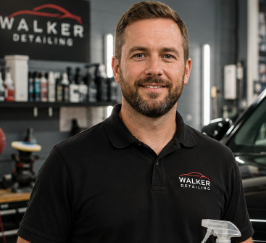
By James Walker
Quick Answer: Valet car cleaning is a thorough, hands-on cleaning service covering both the interior and exterior of a vehicle — vacuuming, shampooing, glass cleaning, tyre dressing, and a wash and dry. Unlike a quick car wash, valet car cleaning focuses on detail, restoring a fresher, better-cared-for look inside and out.
If you’ve searched “what is valet car cleaning” because you’ve seen the term at a garage or car park sign, you’re not alone. It’s one of the most misunderstood services in car care — often confused with a basic wash. In reality, valet car cleaning sits between a quick exterior rinse and a full paint-correction detail, combining interior deep cleaning with exterior care in one visit. This guide breaks down what’s actually included, how it works, what it costs to expect, and when it’s worth booking versus doing it yourself.
Interior & Exterior Cleaning Valet Packages Explained DIY vs Professional Valet Routine Care Tips
This article is for general educational and purchasing guidance only. It does not guarantee vehicle performance or safety outcomes and does not replace advice from a qualified mechanic or auto technician. Some tasks may require the work of a licensed/registered professional or compliance with local vehicle regulations. Always check your vehicle’s manual, warranty terms, and current local regulations, and consult a qualified professional when needed.
What Is Valet Car Cleaning, Exactly?
Valet car cleaning is a combined interior and exterior cleaning service, usually carried out by hand at a valeting bay, mobile valet service, or garage forecourt. It typically covers vacuuming, upholstery or seat cleaning, dashboard and door panel wiping, window cleaning inside and out, an exterior hand wash, wheel and tyre cleaning, and a final dry. Some valet car cleaning packages also add light exterior polish or air freshening.
Unlike an automated car wash, valet car cleaning is hands-on and detail-focused. It’s not the same as full paint correction or ceramic coating work, which are specialist detailing services. Think of valet car cleaning as the everyday deep-clean tier — more thorough than a wash, less involved than a full detail.
Why Valet Car Cleaning Matters for Your Vehicle
Regular valet car cleaning helps keep dirt, grit, and moisture from building up in places that are easy to miss during a quick wipe-down — under seats, in door pockets, and along interior trim seams. Left unchecked, trapped dirt and moisture can contribute to unpleasant odours, mould growth on fabric, and surface wear on plastics and upholstery over time.
Valet car cleaning also supports resale value. A car that’s been kept clean inside and out, with well-maintained upholstery and clear paintwork, generally presents better to a potential buyer or during a part-exchange inspection than one with visible interior grime or exterior grime buildup.
How Valet Car Cleaning Works, Step by Step
A typical valet car cleaning session follows a fairly consistent order, whether it’s done professionally or at home. Most valeters start with the interior, since dust and debris can otherwise resettle on freshly cleaned exterior panels.
Typical Valet Car Cleaning Process Flow
Practical guide only — actual order can vary slightly between mobile valeters and fixed valeting bays.
Step-by-Step: What Happens During a Full Valet Car Cleaning Appointment
Loose items are removed and the interior is vacuumed, including seats, footwells, boot space, and door pockets.
Dashboard, door cards, and console are wiped with a suitable interior cleaner, avoiding excess product on touchscreens or switches.
Interior and exterior glass is cleaned separately to reduce streaking and improve visibility.
The exterior is pre-rinsed, hand-washed using car-safe shampoo, and rinsed again to lift loose grit safely.
Wheels and tyres are cleaned separately from paintwork tools to avoid cross-contamination, then dressed if included.
The exterior is dried with a clean microfibre towel to help reduce water spotting.
A final check is done for missed spots, and interior fragrance may be applied if part of the package.
Note: Not every valet car cleaning package includes every step above. Always ask what’s included before booking so you know exactly what “valet car cleaning” means at that specific provider.
Comparing Valet Car Cleaning Package Types
Valet car cleaning is sold under several package names, and knowing the difference helps you avoid paying for services you don’t need — or missing ones you do.
Which Vehicles Suit Valet Car Cleaning
Valet car cleaning works for nearly any vehicle type, from small city cars to SUVs and family estates. Larger vehicles with more interior surface area and upholstery usually take longer and may cost more, since valet car cleaning is priced partly on time and vehicle size. Older vehicles with worn upholstery or trim may need gentler products to avoid further wear, while newer vehicles with touchscreens and sensors need extra care to keep moisture and cleaning product away from electronics.
DIY Clean or Professional Valet? A Simple Decision Path
Have 1–2 hours and basic tools? → A DIY interior wipe-down and hand wash may be enough.
Noticing stains, odours, or heavy grime? → A professional valet car cleaning session is usually more effective.
Preparing to sell or part-exchange? → A Full Valet or Detail-Valet package is often worth the cost.
This is a practical guide, not a fixed rule — your own time, budget, and vehicle condition should guide the final choice.
Safety Considerations During Valet Car Cleaning
Valet car cleaning involves water, cleaning chemicals, and close contact with the vehicle’s interior electronics, so a few precautions matter. Avoid spraying cleaning products directly onto touchscreens, buttons, or vents — apply to a cloth first instead. Keep hoses and buckets away from the engine bay and any exposed electrical components. If a valet includes engine bay cleaning, this should only be done by someone experienced with covering sensitive parts, since water contact with certain components can cause faults.
Safety Note: Never use high-pressure water directly on door seals, sensors, or badge cameras during valet car cleaning, as forceful water ingress may affect their function. When in doubt, check your vehicle’s manual for wash guidance.
Common Problems With Valet Car Cleaning and Their Likely Causes
Warning: Using household cleaning products not designed for cars during a DIY valet car cleaning attempt can damage upholstery, dashboard plastics, or paint sealants. Stick to products labelled safe for automotive interiors and exteriors.
Safe Use vs Risky Use When Cleaning Your Car Yourself
Red-Flag Checklist: Signs of a Poor Valet Car Cleaning Job
Common Mistakes When Booking or Doing Valet Car Cleaning
A frequent mistake is assuming “valet car cleaning” means the same thing at every provider — package contents vary widely, so it’s worth confirming what’s included before paying. Another common mistake is choosing the cheapest option without checking reviews, which can lead to rushed work on interior details. When doing it yourself, using the same cloth or mitt on wheels and paintwork is a common cause of scratching, since brake dust and grit on wheels are abrasive against clear coat.
Tip: Ask your valet car cleaning provider whether they use separate wash media for wheels and paintwork — this small detail is often a good indicator of overall care and experience.
Which Valet Type Fits Your Situation
Product/Device Fit Dashboard: Matching Valet Level to Vehicle Type
Mini Valet usually sufficient
Full Valet recommended
Full Valet, extra time expected
Full Detail-Valet advised
Pro Tips: What Experienced Owners Check That Beginners Miss
Experienced owners often check under floor mats and in door pockets, since these areas trap the most debris and are frequently skipped during quick clean-ups. They also tend to schedule valet car cleaning seasonally — more frequently in winter, when road salt and grit build up faster, and less often in drier months. Another habit worth adopting is checking the interior for dampness a day after a valet, since trapped moisture in carpets can lead to odour if not fully dried.
This article may contain affiliate links. If you buy through these links, we may earn a small commission at no extra cost to you. We only mention products that are relevant to the topic and do not replace advice from a qualified mechanic or auto technician.
Microfibre Interior & Exterior Cleaning Cloth Set
A separate set of colour-coded microfibre cloths can help keep glass, paintwork, and interior surfaces cleaned with the right cloth for each job, which may support a more consistent DIY valet car cleaning routine.
Interior Trim & Dashboard Cleaner Spray
An automotive-safe interior cleaner spray may help with day-to-day dashboard and door panel wiping between full valet car cleaning appointments, without leaving a greasy residue.
DIY Valet Car Cleaning vs Hiring a Professional
Relative Priority Meter: Time, Cost, and Effort by Valet Type
Mini Valet — time & cost
Full Valet — time & cost
Full Detail-Valet — time & cost
Practical guide only — actual time and cost vary by provider, location, and vehicle size.
When to Contact a Professional Instead of DIY
When to contact a professional: If your vehicle has deep-set stains, mould, persistent odours, or heavily soiled upholstery, a professional valet car cleaning service will typically have stronger equipment and experience to handle this safely. Also consider a professional if you’re unsure which products are safe for leather, suede, or specific trim finishes, since the wrong product can cause lasting damage.
Frequently Asked Questions
What is valet car cleaning compared to a normal car wash?
Valet car cleaning covers both interior and exterior cleaning in detail, including vacuuming, upholstery care, and glass cleaning, while a normal car wash usually only covers the exterior.
How long does valet car cleaning take?
A Mini Valet may take around 30-45 minutes, while a Full Valet or Detail-Valet can take 1.5 to 3 hours depending on vehicle size and condition.
Is valet car cleaning safe for leather seats?
Most valet car cleaning providers use leather-safe products, but it’s worth confirming beforehand, especially for delicate or aged leather that may need a specific conditioner.
Can valet car cleaning remove strong odours?
A thorough valet car cleaning session can often reduce mild to moderate odours, though very strong or embedded smells may need a specialist odour-removal treatment on top of a standard valet.
Does valet car cleaning include the engine bay?
Not always — engine bay cleaning is often a separate add-on, since it requires extra care to protect electrical components from water exposure.
How often should I book valet car cleaning?
Many owners book valet car cleaning every 4-8 weeks, though this can vary based on usage, weather, and whether you have children or pets in the vehicle.
Should I get valet car cleaning before selling my car?
A Full Valet or Full Detail-Valet before selling can improve first impressions, though it does not guarantee a higher sale price, as buyers also weigh mechanical condition and history.
Final Thoughts: Valet car cleaning is a practical way to keep both the inside and outside of your vehicle looking and feeling well cared for, without the cost of a full detailing package. Choose the package level that matches your vehicle’s condition and your own time, and don’t hesitate to ask a valet car cleaning provider exactly what’s included before booking. For anything involving electrical components, engine bay work, or specialist trim materials, check your vehicle’s manual or consult a qualified mechanic or auto technician, and always follow current local regulations before any permanent product application.
Further reading: GOV.UK guidance on car wash water and pollution risks and GOV.UK vehicle tax, MOT and insurance guidance.
