
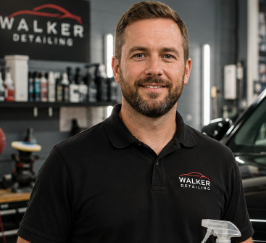
Valet car cleaning gives a deeper, professional clean than a regular car wash by restoring both the interior and exterior to near-new condition. It combines thorough washing, vacuuming, stain removal, and paint-safe polishing so the vehicle looks better and stays protected longer.
This service fits people who want more than a quick rinse—technicians use specialized tools and techniques to remove dirt, brake dust, stains, and paint contamination safely. James Walker of Tech9AutoRepair.com notes that a proper valet saves time and helps preserve resale value when done with the right products and steps.
Many valets offer tiers from a quick mini service to a full valet that can take several hours and include wheel cleaning, interior shampooing, and paint correction. Choosing a trusted provider ensures consistent results and gives practical tips for at-home maintenance between professional visits.
Key Takeaways
- Valet cleaning restores both interior and exterior with detailed, paint-safe methods.
- Professional tools and trained technicians remove tough dirt, stains, and contamination.
- Regular valet work and simple at-home care help protect value and appearance.
Core Services Provided
Valet car cleaning covers the major visible and hidden areas of a vehicle. Services focus on restoring appearance, removing dirt and odors, and protecting surfaces with targeted treatments.
Exterior Washing and Detailing
This work starts with a full hand wash using pH-balanced soap, wheel cleaner, and pressure rinsing to remove road grime and brake dust. Technicians decontaminate paint with clay bars or chemical decontaminants to remove embedded particles that simple washing leaves behind.
Painting correction often includes a single-stage polish to remove light swirl marks and oxidation. They then apply a protective layer such as carnauba wax, synthetic sealant, or ceramic coating to add shine and protect from UV and contaminants. Trim restoration, wheel dressing, and glass polishing finish the exterior. Spot repairs, like tar or sap removal, are handled with solvent-based products chosen to avoid paint damage.
Interior Cleaning Processes
Valet interior work begins with a detailed vacuum of carpets, seats, trunk, and under mats to remove sand and debris. Upholstery cleaning uses hot-water extraction or shampoo for cloth, and leather cleaners followed by conditioners for leather seats to clean, lift stains, and keep material supple.
Dashboard, vents, door pockets, and consoles are wiped with appropriate cleaners and small brushes to remove dust and pollen. Stain treatment, odor neutralizers, and sanitizing sprays address spills and bacteria. Final steps include window cleaning, fabric protection sprays, and replacing mats so the cabin looks tidy and smells fresh.
Specialized Treatments
Special services target long-term protection and problem areas. Paint protection options range from polymer sealants to multi-layer ceramic coatings that increase scratch resistance and ease washing. Many valets offer paint correction packages that include machine polishing with measured steps and pad choices.
Other specialist tasks include headlight restoration, upholstery steam cleaning for heavy soiling, and engine bay degreasing for show or sale. Dealers and premium valets may provide ozone or advanced ozone-free odor removal for persistent smells. The table below shows common specialized options and their purpose.
| Service | Purpose |
| Ceramic coating | Long-term surface protection and gloss |
| Paint correction | Remove swirls, light scratches, and oxidation |
| Headlight restoration | Improve visibility and appearance |
| Ozone/odor removal | Eliminate deep-set smells like smoke or mildew |
| Engine bay clean | Remove grease and dirt for inspection or sale |
Professional Techniques and Tools
Valet cleaners use specific machines, brushes, and chemicals to remove dirt, protect surfaces, and restore finish. They work systematically from wheels to roof, use low-scratch methods, and choose products to match paint, fabric, or leather.
Equipment Used by Valet Cleaners
Valet teams rely on powered tools and hand tools to speed work and improve results. Common powered tools include dual-action polishers for swirl-free paint correction, orbital buffers for wax application, and wet/dry vacuums for fast interior water extraction.
Hand tools focus on detail: soft microfiber towels, foam applicator pads, detailing brushes for vents and seams, and plastic trim tools to avoid scratching. Pressure washers with adjustable nozzles handle heavy grime on wheels and lower panels. Steam cleaners sanitize fabric and loosen grime without soaking material.
Air compressors and blow guns clear dust from crevices and speed drying. They often carry a two-bucket wash kit (clean and rinse) and grit guards to prevent swirl marks. Portable extractors and carpet shampooners remove deep stains from upholstery.
Eco-Friendly Cleaning Methods
Many valeters use low-water and low-chemical methods to cut waste and protect finishes. Waterless wash formulas allow spot cleaning with minimal rinsing; they lubricate dirt so microfiber cloths lift contaminants without scratching paint.
Steam cleaning reduces chemical use by loosening dirt and killing bacteria with heat alone. Biodegradable shampoos and plant-based degreasers break down grime but rinse clean without harming drains. Microfiber and reusable applicators lower consumable waste compared with single-use rags.
Technicians also prefer drain-safe products and capture wastewater where local rules require it. They meter chemical dilution with dosing pumps to avoid overuse. These steps protect the vehicle, the user, and the environment while keeping results consistent.
Products Recommended for Optimal Results
Choosing the right product for each task makes valeting effective and safe. For exterior cleaning, pH-neutral car shampoo protects wax and sealants. A dedicated wheel cleaner with iron remover targets brake dust without etching rims.
For paint protection, clay bars remove bonded contaminants before applying a polymer sealant or carnauba wax. Use a fine polish for light swirls and a finishing polish for gloss. Microfiber cutting and finishing pads match polish aggressiveness to the paint condition.
Interior care needs a fabric-safe upholstery cleaner, an enzyme-based stain remover for organic spills, and a leather cleaner/conditioner that won’t dry hides. For plastics and trim, use UV-protectant dressings applied sparingly to avoid greasy buildup.
| Task | Recommended Product | Why It’s Used |
|---|---|---|
| Pre-wash & wheels | Iron remover + pressure wash | Loosens brake dust and heavy grime safely |
| Wash | pH-neutral shampoo + two-bucket method | Protects paint and reduces swirl marks |
| Paint correction | Dual-action polisher + appropriate polish | Removes light scratches and restores gloss |
| Interior | Enzyme cleaner, extractor, leather conditioner | Removes stains, odors, and conditions surfaces |
| Protection | Sealant or wax | Provides water beading and UV defense |
Comparison with Traditional Car Wash
Valet cleaning goes deeper than a routine wash and focuses on both interior and exterior care. It uses targeted products, hands-on techniques, and longer time per vehicle to remove stains, protect surfaces, and restore finish.
Differences in Quality
Valet cleaning uses more detailed, hands-on methods than a typical car wash. Technicians shampoo carpets, clean vents, condition leather, and clay or polish paint by hand. These steps remove embedded dirt, tar, and light oxidation that machine washes usually miss.
A regular car wash focuses on exterior grime removal with brushes or pressure washers and a quick dry. It often skips deep interior work and paint correction. As a result, valeting yields better long-term protection and a more like-new interior feel.
Use this quick comparison to see the main quality differences:
| Task | Valet Cleaning | Traditional Car Wash |
| Exterior wash method | Hand wash, clay, polish | Automated or pressure wash |
| Interior cleaning | Shampoo, vacuum, trim conditioning | Basic vacuum and wipe |
| Paint protection | Wax, sealant, or ceramic add-ons | Usually none |
| Attention to detail | High — seams, crevices, stains | Low — surface clean only |
Service Convenience
Valet cleaning often comes as a mobile service or longer appointment at a shop. Technicians may travel to homes or offices and work while the owner carries on with other tasks. This saves time but requires scheduling and typically costs more.
Traditional car washes offer quick, walk-in convenience and lower prices. Many are drive-through or self-service and finish within minutes. They suit drivers who need fast exterior cleaning and lower cost, but they do not replace the detailed care a valet provides.
Compare convenience features:
- Valet: scheduled, longer, mobile option, higher price.
- Car wash: immediate, short, often cheaper, limited interior work.
Types of Vehicles Accommodated
Valet car cleaning serves small daily drivers to high-end performance cars and large work fleets. Services change by vehicle size, value, and interior materials so technicians match products and time to each job.
Private Cars
Private cars are the most common valet clients. Technicians handle compact hatchbacks, sedans, and small crossovers with standard hand washes, interior vacuuming, window cleaning, and dashboard dressing. They use pH-neutral shampoos and microfiber cloths to protect paint and trim.
Technicians also tailor services by interior type. Cloth seats get deep vacuuming and steam or shampoo; leather receives gentle cleaners and conditioning. Time per job usually ranges from 30–90 minutes depending on dirt level and add-ons like carpet shampoo or engine bay tidy.
Luxury and Sports Models
Luxury and sports cars need gentler products and more careful techniques. Technicians select non-abrasive polishes, low-alkaline cleaners, and soft applicators to avoid swirl marks and protect ceramic or factory coatings. Wheel and brake dust removal must use safe wheel cleaners to prevent damage to anodized or carbon-ceramic brakes.
Interior work focuses on delicate materials. Alcantara, fine leather, and stitched trims receive speciality cleaners and conditioners. Technicians often record service notes on paint and trim condition for future care. Appointments take longer, and shops commonly require trained valeters and sometimes indoor facilities.
Commercial Fleets
Commercial fleets include vans, pickup trucks, taxis, and delivery vehicles. Valet services scale to handle multiple vehicles and faster turnarounds. Common offerings: exterior wash, pressure-rinse, basic interior sweep, trash removal, and scheduled deep cleans.
A simple HTML table helps compare typical fleet services and timing:
| Vehicle Type | Common Service | Avg. Time per Vehicle |
|---|---|---|
| Small Van | Exterior wash, interior sweep, floor mat clean | 20–40 minutes |
| Pickup Truck | Pressure wash, bed clean, interior vacuum | 30–50 minutes |
| Taxi/Delivery Car | Quick exterior, disinfect high-touch surfaces | 15–30 minutes |
Fleets often sign service contracts for recurring visits and volume pricing. Valet teams may bring mobile units to sites to avoid downtime.
Benefits of Choosing Valet Cleaning
Valet cleaning saves time, gives deeper cleaning than a basic wash, and often leaves customers more satisfied with their cars’ appearance and condition.
Time-Saving Advantages
Valet cleaning frees up hours by bringing professional service to a home, workplace, or parking spot. Instead of spending a morning washing, drying, and vacuuming, the vehicle owner hands keys to a technician who follows a set timeframe and checklist.
Mobile valets can work while the owner is at work or running errands. This avoids travel to a car wash and waiting in line. For busy professionals and families, that means one less chore and predictable scheduling.
Services often offer tiered packages (mini, full, or specialist) so customers choose the level of work and time required. This clarity helps people plan their day and budget time precisely.
Detailing Precision
Valet detailers use tools and products tailored to each surface: paint-safe shampoos, clay bars, polishers, and leather cleaners. That focused equipment removes embedded dirt, tar, and light scratches that a standard wash misses.
Technicians follow methodical steps—clean, decontaminate, polish, protect—so results are consistent. Interior work targets upholstery, carpets, vents, and creases where grime accumulates, improving air quality and comfort.
Many valets include protective finishes like wax or sealant and fabric or leather conditioners. Those treatments slow wear, preserve materials, and help the car look newer for longer.
Customer Satisfaction
Clients report feeling more confident driving a well-maintained car and notice a stronger resale appeal. A valet-cleaned vehicle often shows better presentation in photos and inspections, which helps when selling or trading in.
Clear booking, itemized service lists, and before-and-after photos increase trust. Reputable valets offer satisfaction guarantees or touch-up policies that resolve issues quickly.
Personal preferences also matter: customers can request fragrance-free products, pet-hair removal, or stain targeting. That customization leads to higher repeat business and a better ownership experience.
Selecting a Reliable Service Provider
Choose a valet that shows clear proof of skills and steady customer feedback. Look for specific credentials, transparent pricing, and recent reviews that match the services you need.
Credentials and Training
They should list certifications, formal training, or manufacturer-approved courses for paint care, upholstery cleaning, and engine-bay work. Ask for names of courses or certifying bodies and verify dates. A provider that shows photos of staff at work or mentions product-safe training indicates current practices.
Insurance and written guarantees matter. Confirm they carry liability and garage-keepers insurance and request a copy of the policy summary. Clear pricing and a written service checklist prevent hidden fees and missed tasks.
A trustworthy team uses labeled, vehicle-safe products and explains why they choose them. If they cite industry guidance, links like relevant background can help verify claims.
Reputation and Reviews
Check multiple review sites and recent timestamps. Focus on consistent patterns: punctuality, attention to detail, and how they handle damage claims. One or two old complaints matter less than recurring issues in the last 6–12 months.
Read full reviews, not just star totals. Photos from customers confirm results. Contact at least two references or view a portfolio of recent jobs to see before-and-after outcomes.
Watch how the company replies to negative feedback. Fast, professional responses that offer fixes suggest good customer service and responsibility.
Maintenance and Aftercare Recommendations
Regular care keeps the valet clean looking and protects value. Focus on simple, repeatable steps for the interior and exterior to extend results and reduce the need for intensive treatments.
Protecting Vehicle Interiors
They should vacuum carpets and mats weekly, concentrating on under seats and in crevices to stop grit wearing the fabric. Use a soft brush and a handheld vacuum or a nozzle attachment to reach tight spots. For leather seats, apply a pH-balanced leather cleaner, then a conditioner every 3–6 months to prevent drying and cracking. Test products on a hidden area first.
Wipe hard surfaces with a microfiber cloth dampened with a mild, pH-neutral cleaner to avoid sticky residues. Treat spills immediately: blot liquids with an absorbent cloth, then clean with an appropriate upholstery cleaner. For persistent stains or odors, professional steam cleaning or enzyme treatments work well. For storage and protection, they should use sunshades and consider seat covers if transporting pets or messy cargo.
Maintaining Exterior Shine
They should wash the car every 1–2 weeks using two-bucket method, a soft wash mitt, and car-specific shampoo to avoid swirl marks. Dry with a clean microfiber towel or a drying blade to prevent water spots. Apply a quality wax or paint sealant every 2–4 months to maintain protection and shine; ceramic coatings last longer but require proper paint prep.
Inspect and treat chips or scratches quickly to stop corrosion. Use a clay bar once or twice a year to remove bonded contaminants before polishing. For guidance on coating types and paint care science, see car wash and paint protection. For recommended consumer test methods and standards, consult reputable industry resources.
FAQS
What does valet car cleaning include?
Valet car cleaning usually covers a full exterior wash, drying, vacuuming, and wiping of interior surfaces. It can also include waxing, polishing, stain removal, and engine bay cleaning depending on the package.
How is valeting different from a basic car wash?
A basic wash focuses on removing loose dirt. Valeting goes deeper, with detailed interior cleaning and optional treatments like paint correction or fabric shampooing.
How long does a valet service take?
Time varies by vehicle size and condition. A standard valet often takes 45–90 minutes, while deep-detail jobs can take several hours.
Is valet cleaning safe for all cars?
Yes, when trained technicians use proper products and methods. They choose safe cleaners and tools for paint, leather, fabric, and trim.
How much does valet cleaning cost?
Prices depend on location, vehicle size, and service level. Expect a range from modest fees for basic valets to higher rates for full detailing and specialty treatments.
Should owners remove personal items first?
They should remove valuables and personal items to speed the job and avoid loss. Technicians usually tidy and clean around loose items but won’t be responsible for missing belongings.
Can valeting help maintain car value?
Regular valeting helps protect finishes and the interior, which can slow wear and preserve resale value. It does not replace mechanical maintenance.
Payment and booking tips:
- Book ahead for busy times.
- Ask for a written list of included services.
- Confirm whether materials like waxes or coatings add extra cost.
Conclusion
Valet car cleaning gives a deeper, more careful service than a basic wash. It covers both interior and exterior tasks and often adds protective treatments that help the vehicle last longer.
Customers choose valeting to save time and get professional results. A trained technician uses targeted products and tools to remove dirt, stains, and grime that routine washes can miss.
Prices and service levels vary by provider, so comparing packages helps pick the right option. Some may offer quick full-service cleans, while others include detailed restoration or protection treatments.
Benefits include improved appearance, better hygiene inside the car, and potential value preservation. It suits busy owners, people preparing to sell a car, and those who want more than a simple wash.
A clear checklist can help when booking:
- Service type (basic, premium, restoration)
- What’s included (vacuum, shampoo, wax, polish)
- Time estimate and cost
- Any guarantees or follow-up care
Choosing a reputable valeting service ensures consistent results and avoids damage from improper products or methods. They should use suitable cleaners, follow safe techniques, and explain what they did and why.
