
You want car cleaning gel fast and close by, and you can find it at big online stores, automotive shops, and many local retailers. Buy online from Amazon, Walmart, Target, or specialty auto shops for the widest selection and easy delivery, or pick it up at auto parts stores and big-box retailers when you need it right away.
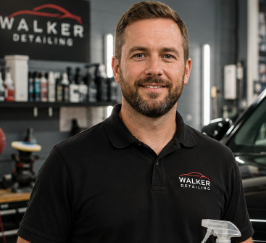
Tech9AutoRepair’s James Walker notes that buying from reputable sellers helps you avoid fake or low-quality gel and gives access to trusted brands and product info. Visit stores in person when you want to test texture and scent, or order online to compare reviews, prices, and sizes before you buy.
Key Takeaways
- Choose online marketplaces for variety and home delivery.
- Visit local auto parts or big-box stores for immediate pickup.
- Buy from trusted sellers to avoid poor-quality or counterfeit gels.
Popular Types of Car Cleaning Gel
These car gels differ by stickiness, scent, and ingredients. Buyers should match gel type to surfaces, sensitivity to fragrances, and environmental concerns.
Universal Cleaning Gels
Universal gels work on dashboards, air vents, cup holders, and keyboards. They balance tackiness and firmness so the gel lifts dust, crumbs, and small debris without leaving residue. Look for gels labeled “non-abrasive” and “safe for plastics” to avoid dulling textured surfaces or trapping oils.
Universal gel typically lists reuse count and cleaning life on the package. Heavier-duty formulas last longer but can be stickier and harder to remove from narrow vents. They often come in tubs of 50–160 grams, which suits multiple uses for one car.
| Attribute | What to check |
| Surface safety | Non-abrasive, safe for plastic and vinyl |
| Reusability | Number of uses and how to store between uses |
| Firmness | Soft for vents, firmer for cup holders |
Scented Versus Unscented Options
Scented gels add a fragrance while cleaning, with common choices like lemon, lavender, or “new car.” They mask odors and leave the cabin smelling fresh. Buyers with allergies or sensitivity should avoid scented formulas because fragrances can trigger headaches or irritation.
Unscented gels focus on cleaning power without added perfume. They suit people who use air fresheners separately or who park with windows closed and worry about strong smells. Labels will often state “fragrance-free” or “unscented”; this is the safest pick for pets, children, or allergy-prone passengers.
Eco-Friendly Gel Choices
Eco-friendly gels use biodegradable ingredients and fewer synthetic fragrances. They reduce chemical exposure and the risk of residues left on surfaces. Look for certifications or clear ingredient lists showing plant-based polymers or biodegradable binders.
Packaging also matters: some green brands use recyclable tubs or reduced plastic. Performance can match conventional gels, but check reviews for stickiness and lifespan. Heavier soils may still need a stronger cleaner, so keep an eco option for regular maintenance and a tougher product for deep clean jobs.
Leading Offline Retailers
Car cleaning gel is easy to find at stores that carry auto care items, housewares, or detailing supplies. Prices, brand selection, and staff knowledge vary by retailer, so shoppers should match needs to the store type.
Automotive Supply Stores
Automotive supply stores stock gels from brands made for cars and detailing. They often carry multiple sizes and formulas, including unscented and residue-free options. Staff can recommend gels that work with dashboards, vents, and electronic controls.
These stores usually offer related products like brushes, microfiber towels, and interior cleaners, making it simple to buy a complete kit in one trip. Expect mid-range to premium prices and occasional in-store promotions tied to vehicle maintenance items.
Practical tip: ask staff about compatibility with touchscreens and leather, and check the label for “non-abrasive” or “residue-free” claims before buying.
Big-Box Retailers
Big-box retailers such as Walmart, Target, and The Home Depot stock mass-market car cleaning gels and putties. They carry multi-packs and budget brands alongside a few higher-rated options, so shoppers can compare price and quantity on the shelf.
These stores offer predictable hours and wide availability, plus the convenience of pickup if a product shows online. Packaging usually lists common uses (vents, cup holders, keyboards), so buyers can quickly confirm suitability.
Use the store app or website to check stock before visiting. Big-box chains may not have specialized staff knowledge, so read labels and customer reviews to choose the right gel.
Specialty Car Care Shops
Specialty car care shops focus on detailing supplies and professional products. They carry high-quality gels designed for long-term interior care and often stock niche brands not found elsewhere.
Staff at these shops typically have detailing experience and can advise on product selection, application technique, and aftercare. Buyers can also find complementary items like interior protectants and professional-grade applicators.
Specialty shops may offer small sample sizes or demo uses in-store, which helps ensure the product meets specific needs before committing to a larger purchase.
| Retailer Type | Strengths | What to Expect |
|---|---|---|
| Automotive Supply Stores | Brand variety, staff advice | Mid-range to premium prices, accessories available |
| Big-Box Retailers | Convenience, low-cost options | Wide hours, pickup available, limited expert help |
| Specialty Car Care Shops | Professional products, expert guidance | Niche brands, possible demos or samples |
Top Online Marketplaces
Buyers can compare prices, read real user reviews, and choose between fast shipping, auctions, or buying direct from brands. Key points: look for verified sellers, check ingredient or material lists, and compare bundle deals and return policies.
Amazon Shopping Tips
Amazon lists many car cleaning gels from brands and third-party sellers. Buyers should check the seller badge and read recent reviews to spot counterfeit or low-quality gels.
Look for product details like size, ingredients, and whether the gel is reusable. Compare single jars to multi-packs; bulk packs often lower per-unit cost but may sit unused if the gel dries out.
Use Amazon’s filters: sort by Prime for fast shipping and filter by rating to see top-rated items. Check the Q&A and customer photos for real-world cleaning results and to confirm the gel reaches vents and crevices.
eBay Deals and Auctions
eBay can offer lower prices, rare brand items, or discontinued formulas through auctions and Buy It Now listings. Buyers should inspect seller ratings and review item condition notes before bidding.
Auctions may net a bargain but require patience and a bidding limit. For instant purchases, Buy It Now often matches retail prices or slightly undercuts them, especially on open-box or surplus stock.
Check estimated shipping times and return policies. Prefer listings with detailed photos and clear descriptions that state new, used, or opened condition to avoid products that lost tackiness or effectiveness.
Direct-to-Consumer Brand Websites
Buying from brand websites gives access to full product specs, official bundles, and manufacturer guarantees. Brands like Meguiar’s and specialty detailing shops often list gels alongside usage guides and warranty info.
Purchasing direct reduces risk of counterfeit products and may offer loyalty discounts or free samples. Shoppers should compare shipping costs and look for promo codes or subscribe-and-save offers.
Direct sites also publish detailed safety data and ingredient lists useful for buyers with allergies or concerns about surface compatibility. Customer service through the brand typically handles returns and technical questions faster.
Comparing Local and Online Purchasing
Buying locally often means seeing the product, getting it immediately, and avoiding shipping fees. Buying online usually gives more brands, lower prices, and home delivery, but it can take days and may add shipping or restocking charges.
Pricing Differences
Local stores like auto parts shops and big-box retailers usually price car cleaning gel between $6 and $15 per pack. Prices can be higher for branded or specialty gels sold at detail shops. They may run in-store promotions tied to other automotive items, which can lower the final cost at checkout.
Online marketplaces and direct-brand sites often list gels from $4 to $12, especially for multi-packs or off-brand options. Customers should watch for shipping and handling fees, subscription discounts, and bundle deals. Use the product page to compare unit price (price per ounce or pack) rather than total price to judge real value.
| Channel | Typical Price Range | Common Discounts |
| Local retailers | $6–$15 | In-store promos, coupons |
| Online marketplaces | $4–$12 | Multi-pack savings, free-shipping thresholds |
| Brand sites | $5–$13 | Account discounts, email codes |
Shipping Versus In-Store Availability
In-store availability gives immediate access. Shoppers can pick specific colors, textures, or single-use packs on the same trip. Local stores may be out of stock for niche brands or specialty formulas, requiring a second trip or a store order.
Online sellers carry wider selections and multi-pack options not found locally. Shipping times vary from same-day local delivery to 5–10 business days for standard shipping. Expedited shipping increases cost but shortens wait. Buyers should check estimated delivery dates and stock status before ordering to avoid delays.
Return Policies
Local stores typically accept returns with a receipt within 14–30 days, often giving cash or store credit. Returns for opened containers may be restricted. Shoppers should keep the original packaging and proof of purchase to speed the process.
Online return rules vary by retailer. Major marketplaces usually allow returns within 30 days, sometimes with free return labels. Individual sellers or small brands may charge restocking fees or require return shipping. Verify the seller’s return window, who pays return shipping, and whether refunds are issued to the original payment method or as store credit.
What To Look For in Car Cleaning Gel
Buyers should check safety for skin and surfaces, and judge the gel’s feel and tack. These two factors determine how well the gel removes dust, how long it lasts, and whether it leaves residue or causes damage.
Safe Ingredients
Look for gels labeled non-toxic and free of harsh solvents like acetone or strong alcohols. These ingredients can dull plastic, remove coatings, or harm leather and vinyl finishes. Products that list glycerin, water-based polymers, or food-grade additives are gentler on interior trim and electronics.
Avoid gels with strong fragrances or dyes if anyone in the household has allergies or sensitive skin. Check the label for warnings about staining or flammability. If the product provides a Material Safety Data Sheet (MSDS) link, that signals transparency and lets buyers confirm chemical details.
Below is a quick checklist buyers can use when evaluating safety claims:
| What to Check | Why It Matters |
|---|---|
| “Non-toxic” or water-based | Lower risk to skin and electronics |
| No acetone/strong solvents | Prevents plastic/trim damage |
| MSDS or ingredient list available | Confirms chemical safety |
| Low fragrance and dye-free | Safer for sensitive users |
Gel Consistency and Texture
Consistency affects how the gel picks up dust and how easy it is to reuse. A gel should be pliable and slightly tacky but not so sticky that it leaves residue or tears apart. Gels that crumble or leave bits behind signal low quality.
Buyers should test or look for descriptions of tensile strength and reusability. Higher-quality gels hold together through multiple presses and return to shape after use. Also consider room-temperature performance: some gels get hard in cool conditions and lose tack in heat.
Compare common textures using this simple scale:
- Soft and highly tacky: excellent pickup, moderate residue risk.
- Medium tack, stretchy: good balance of pickup and cleanup.
- Firm/less tacky: best for coarse debris, may miss fine dust.
Brands that list “reusable up to X uses” or show demo videos give clearer expectations about texture and lifespan.
Tips for Finding Authentic Products
Look for clear brand information, consistent product images, and detailed ingredient or material lists. Check sales channels, seller ratings, and return policies before buying.
Verifying Brand Legitimacy
They should buy from the brand’s official store page or an authorized dealer listed on the brand website. Official pages often show contact info, warranty terms, and country-specific product codes. Match the packaging photos to images on the brand site; counterfeit items often have blurred logos, wrong fonts, or missing batch numbers.
Look for safety or certification marks and a clear ingredient list. If the seller only offers vague claims like “professional strength” without specs, treat the listing with caution. Use payment methods that offer buyer protection when ordering from third-party marketplaces.
Reading Customer Reviews
They should read recent reviews and sort by photos and verified purchases. Photos show real packaging and texture; verified tags reduce fake reviews. Scan for repeated complaints about smell, residue, or breakdown after a few uses—these patterns point to low-quality or counterfeit gels.
Pay attention to seller responses to complaints. Fast, helpful replies suggest a reputable seller. Cross-reference reviews on multiple platforms and check return and refund experiences. For safety and material info, users can consult general cleaning chemical guidance on Wikipedia.
How to Maximize Savings
Smart shopping cuts the cost of car cleaning gel without lowering quality. Focus on timing, retailer deals, and package size to get the best price per ounce and avoid impulse buys.
Using Coupons or Promotions
They should check manufacturer sites and retailer newsletters for coupons and promo codes before buying. Many brands post printable or digital coupons on their product pages. Email lists and app alerts from major retailers like Walmart or Amazon often send percentage-off codes or free-shipping offers that apply to cleaning gels.
Compare promo stacking rules. Some stores let you combine a manufacturer coupon with a store coupon or an app discount; others allow only one code. Use browser extensions to test coupon codes at checkout and verify final savings.
Watch for seasonal sales: Prime Day, Black Friday, and end-of-season auto-care events often include detailing products. Buying during these windows can cut 25–50% off single-unit prices, which beats most regular discounts.
Buying in Bulk
Buying multi-packs or larger bottles lowers the unit price for car cleaning gel. Calculate price per fluid ounce before buying: divide the total price by the total ounces to compare sizes across brands. Larger refill jugs usually offer the best per-ounce value.
Consider shared buying for rarely used products. A household or detailing group can split a gallon jug and store the remainder in a cool, dry place. Check manufacturer shelf-life and storage instructions to avoid waste.
Use subscription services when available to lock in lower prices and scheduled delivery. Many sellers grant 5–10% off and free shipping for recurring orders, which helps maintain steady savings without repeat searching. For product details about cleaning chemistry and safe storage, readers can consult general references like household cleaning product information.
FAQS
What is car cleaning gel used for?
Car cleaning gel lifts dust and crumbs from vents, cup holders, and tight seams. It can also work on keyboards and small electronics when used gently.
Where can someone buy car cleaning gel?
They can buy it at big online stores like Amazon and Walmart, and at some big-box retailers and auto parts shops. Specialty car-care shops and some grocery chains may stock brands and multi-packs.
Is car cleaning gel reusable?
Many gels are reusable until they lose stickiness or pick up too much dirt. Users should follow the maker’s instructions and replace the gel when it becomes dark or crumbly.
Is it safe on all surfaces?
Most gels are non-abrasive, but they can leave residue or dye on delicate materials. It is best to test a small hidden spot first and avoid use on porous fabrics or open electronics.
How should someone store and dispose of it?
Keep the gel in its original container or a sealed bag to prevent drying and contamination. Dispose of heavily soiled or degraded gel in regular trash, following local rules for waste.
What if the gel leaves residue?
They should gently wipe the area with a damp microfiber cloth and mild cleaner. Repeat if needed, and avoid scrubbing hard to prevent surface damage.
Conclusion
They can buy car cleaning gel from many places, both online and in stores. Major online retailers like Amazon and Walmart offer many brands and fast delivery. Specialty auto stores and big-box retailers carry gels too, which lets buyers see the product before they buy.
Shoppers should compare price, scent, and reuse claims. Reading reviews helps spot trustworthy brands and real performance. Buying a small pack first can reduce risk.
They should check product labels for safe use on dashboards, vents, and electronics. Avoid gels with strong solvents if they plan to use them on delicate surfaces. Following the maker’s instructions protects surfaces and extends the gel’s life.
A quick shopping checklist:
- Choose a seller with good return policies.
- Look for clear instructions and ingredient info.
- Start with a small or single-pack to test performance.
If they want convenience, online marketplaces provide variety and reviews. If they want to inspect the product, local auto shops and large retailers offer hands-on shopping.
