
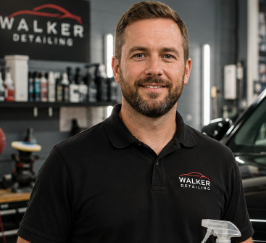
You want equipment that works hard and lasts. James Walker from Tech9AutoRepair.com notes that the right vacuums, pumps, soaps, and starter kits save time, cut costs, and protect paint and interiors—so pick gear built for your volume and vehicle types. Choose durable, serviceable vacuums and metered pump systems, plus proven soaps and kits, to get consistent clean results and reduce long-term costs.
This guide walks through vacuums that pick up grit without scratching, pumps that deliver steady pressure and proper soap mixing, and detergents that clean while protecting paint and trim. It also explains what to include in a basic kit, plus quick maintenance tips from pros like James Walker and Ryan Carter to keep equipment running and vehicles protected.
Key Takeaways
- Match equipment durability and capacity to your workload and vehicle mix.
- Prioritize pumps and soaps that control pressure and chemical dosing for safe cleaning.
- Keep a simple, serviceable kit and routine maintenance to save money and protect vehicles.
Essential Features to Consider
Choose equipment that matches the work volume, resists daily wear, and is simple to service. Focus on motor size and airflow for vacuums, flow and pressure for pumps, materials and seals for longevity, and access points for routine maintenance.
Power and Capacity
They should match expected vehicle throughput and task intensity. For vacuums, look for air flow (CFM) and water lift (inches). A 120–200 CFM, 80–120” lift vacuum suits busy sites; a lower-spec unit works for light, mobile detailing. For pumps, check gallons per minute (GPM) and maximum pressure (PSI). A 3–5 GPM pump at 100–150 PSI handles foaming and rinse cycles for most bays; tunnel systems need higher flow and duty cycles.
Soap and chemical dispensers need dosing accuracy, typically 0.5–3% by volume. Choose dispensers that allow quick calibration and have visible indicators. For detailing kits, match tool power to the pad or brush size — 500–1,200 RPM polishers are common, while high-speed buffers need stronger motors.
Use this quick table to compare power specs:
| Equipment | Key Specs | Typical Range |
|---|---|---|
| Vacuum | CFM / Water Lift | 80–200 CFM / 60–120 in |
| Pump | GPM / PSI | 1–10 GPM / 100–300 PSI |
| Polisher/Buffer | RPM / Motor Power | 500–3,000 RPM / 0.5–2 HP |
Durability and Build Quality
Materials and construction determine lifespan under constant use. Stainless steel or heavy-gauge powder-coated steel resists corrosion for pressure washers and pump housings. For vacuums and blowers, reinforced plastics and metal housings reduce crack risks.
Check seals, bearings, and motor cooling. Oil-lubricated pumps and sealed bearings extend service life. Inspect warranty terms and parts availability; a two- to five-year warranty on critical components shows manufacturer confidence. For chemical handling, ensure hoses, fittings, and tanks use chemical-resistant materials such as Viton or EPDM to avoid swelling and failure.
Ask about rated duty cycle and operating temperature range. Equipment rated for continuous or heavy-duty cycles suits commercial sites. Look for IP or NEMA ratings on electrical components to confirm protection against dust and moisture.
Ease of Maintenance
Easy access to wear parts reduces downtime and labor costs. Choose units with removable panels, tool-free filter access, and clearly labeled service points. For vacuums, a bag or canister design that lifts out without tools speeds cleaning. Pumps should have accessible inlet strainers and replaceable seals or valve kits.
Standardize on common fasteners and electrical connectors to simplify repairs. Keep spare wear kits: seals, brushes, belts, and filter elements. For soap systems, pick quick-connect lines and clear dosing chambers for visual checks.
Require clear maintenance manuals and parts diagrams. Digital resources, QR-linked schematics, and local dealer support shorten repair time. Finally, prioritize models with built-in diagnostics or easy test points for voltage, pressure, and flow checks.
Choosing the Right Vacuum Systems
Select vacuums by matching suction power, wet/dry capability, and durability to daily bay traffic and maintenance resources. Consider filtration level, hose length, and whether units will be portable, wall-mounted, or part of a central system.
Types of Car Wash Vacuums
Self-service coin-operated units suit high-traffic sites that need low supervision. These typically mount to a wall or pedestal and use powerful motors (often 2–5 HP) to handle sand, crumbs, and light water pickup.
Central vacuum systems serve multiple bays from one motor room. They reduce noise at bays and lower per-station maintenance, but require higher upfront cost and planned piping runs.
Portable and cart-style vacuums fit detail bays and mobile services. They offer flexibility and lower initial cost, but demand more frequent filter service and may wear faster under heavy daily use.
Filtration Technologies
Filtration affects air quality, maintenance frequency, and performance with fine dust and moisture. Basic cloth bags capture coarse debris and are cheap to replace. They work for standard dirt but clog faster with fine particulates.
HEPA and multi-stage filters trap particles down to 0.3 microns. These are useful where dust control matters for customer comfort or health regulations. Expect higher cost and scheduled cartridge changes.
Wet/dry foam or cyclonic separation handles moisture and prevents immediate filter saturation. Cyclonic pre-separators prolong filter life by spinning out heavier debris before the filter stage.
| Filter Type | Best For | Maintenance |
|---|---|---|
| Cloth bag | Coarse debris, low cost | Frequent bag changes |
| HEPA | Fine dust, better air quality | Scheduled cartridge replacement |
| Cyclonic / Wet-dry | Moisture, mixed debris | Empty tank, occasional filter check |
Portability Options
Fixed, wall-mounted vacuums save floor space and lower theft risk. They usually connect to a power source and offer long hose runs, making them ideal for self-service bays where equipment stays put.
Cart or canister models move between bays and detailing stations. They let staff concentrate on problem areas and serve mobile operations. Check wheel quality and storage for hoses and tools when choosing a cart unit.
Central vacuum systems free bays from heavy units and cut noise. They require planning for piping layout and a secure motor room. For expanding sites, modular central systems let operators add more bays without replacing the main motor.
Selecting Reliable Pump Solutions
Choose pumps that match duty cycles, cleaning methods, and chemical use. Prioritize durability, serviceability, and the right pressure/flow balance for the operation.
Pump Types and Performance
Operators often choose between triplex plunger (axial) pumps and diaphragm or centrifugal pumps. Triplex plunger pumps deliver steady high pressure and long service life for tunnel and heavy-use sites. They handle continuous duty cycles better than many centrifugal models.
Centrifugal pumps cost less and suit low-pressure, high-flow needs like rinse systems or reclaim loops. Diaphragm pumps work well for chemical dosing and intermittent use, but they wear faster under continuous abrasive or high-pressure conditions.
Performance factors to check: duty cycle rating, pump seal type, recommended run hours before service, and manufacturer service support. Look for pumps with accessible parts, local service networks, and clear warranty terms.
Material Compatibility
Material choice affects longevity and chemical resistance. Pumps exposed to bleach, acids, or concentrated detergents need corrosion-resistant materials such as 316 stainless steel, ceramic plungers, or chemically rated polymers.
Seals and valves must match the chemicals used. Viton or EPDM seals work for many detergents, while PTFE or special elastomers resist harsher solvents. Ask suppliers for a chemical compatibility chart when planning to use specialty cleaners.
If reclaimed water is used, look for non-ferrous wetted parts and anti-fouling features. Hard water and suspended solids increase wear; choose pumps with serviceable strainers and easy access to internal parts.
Pressure and Flow Rate Considerations
Match pressure (PSI) and flow (GPM) to cleaning equipment and nozzle specs. High-pressure washers commonly need 1,000–3,000 PSI at specific GPM to achieve proper nozzle spray angles and cleaning time. Over-pressurizing wastes power and shortens pump life.
Use this quick reference to compare common pump roles:
| Application | Typical PSI | Typical GPM |
| High-pressure wand / tunnel rinse | 1,500–3,000 | 1–5 |
| Low-pressure rinse / reclaim | 100–500 | 5–20 |
| Chemical dosing / foamer | Low | 0.1–2 |
Confirm pump curves from the manufacturer and ensure the motor horsepower matches required flow at working pressure. Allow 10–20% margin for efficiency loss and future scaling.
Evaluating Car Wash Soaps and Detergents
Choosing the right soap means balancing cleaning power, paint safety, foam behavior, and environmental impact. Price per gallon, dilution ratios, and compatibility with machines matter most.
pH Balance and Paint Safety
pH affects paint, clear coat, and trim. Neutral pH (around 6–8) soaps clean dirt and road film without stripping wax or dulling clear coat. They work best for regular hand washes and automatic systems where contact is gentle.
Alkaline cleaners (pH >9) offer stronger grease and tar removal. Use them for heavy-duty cleaning or engine bays, but only on bare metal, wheels, or when followed by a paint-safe rinse. Acidic products (pH <6) can remove mineral deposits and iron fallout but risk etching and fading if used on painted surfaces.
Check product labels for pH range and recommended dilution. Test a small area before full use. When in doubt, choose a neutral, paint-safe formula for frequent service and reserve stronger chemistries for targeted jobs.
High-Foam Versus Low-Foam Formulas
Foam affects perception, dwell time, and machine compatibility. High-foam soaps create thick suds that cling to vertical surfaces and improve visual coverage. They help loosen light dirt and are popular in soft-cloth and touch systems.
Low-foam formulas rinse easier and reduce spotting in high-pressure or touchless systems. They perform better in undercarriage and brushless setups where excess suds can trap grit or interfere with sensors. Low-foam cleaners often concentrate more active detergents per volume.
Use this quick comparison table to decide:
| Feature | High-Foam | Low-Foam |
|---|---|---|
| Best for | Soft cloth, hand washes, visual appeal | Touchless, high-pressure, automated tunnels |
| Rinse time | Longer | Shorter |
| Soil suspension | Good for light dirt | Better for heavy grease with boosters |
Match foam level to equipment type and customer expectations. Adjust dilution and application method rather than relying solely on foam level.
Environmental Friendliness
Buy biodegradable, phosphate-free detergents where regulations require it and where stormwater runoff is a concern. These formulas break down faster and reduce aquatic toxicity.
Look for third-party certifications or explicit biodegradability and VOC statements on labels. Low-VOC products reduce odor and airborne pollutants in enclosed bays.
Concentrated soaps cut packaging waste and shipping emissions. They save cost but need accurate dosing systems to avoid overuse. For fleet or public-facing operations, choose products that balance cleaning performance with clear environmental claims and local discharge rules.
Comprehensive Equipment Kits
Kits bundle the main tools a shop needs: vacuums, pressure washers, pumps, chemical concentrates, brushes, hoses, and basic consumables. They save time on sourcing parts and often include matched components that work together for consistent results.
Kit Components Overview
Kits usually include these core items:
- Vacuum: A 2- to 3-motor wet/dry unit for interior cleaning and water pickup.
- Pressure washer: Gas or electric model rated 2,000–3,500 PSI with adjustable nozzle set.
- Pump: Chemical metering pump or downstream injector sized to match pressure washer flow.
- Chemicals: pH-balanced car shampoo, wheel cleaner, and interior cleaner in concentrated form.
- Brushes & mitts: Soft foam gun, microfiber wash mitt, wheel brush, and scrub pads.
- Hoses & reels: 50–100 ft high-pressure hose, vacuum hose, and reels for storage.
- Drying tools: Air blower or microfiber drying towels.
| Item | Typical Spec | Why It Matters |
| Vacuum | 120–140 CFM, 2–3 motors | Faster pickup, handles wet and dry debris |
| Pressure washer | 2,000–3,500 PSI | Removes dirt without paint damage |
| Pump/Injector | Flow-matched to washer | Delivers correct chemical ratio |
Kits sometimes add extras like foam cannons, water reclaim fittings, or portable water tanks. Buyers should check warranty terms and whether consumables (filters, seals) are included or sold separately.
Suitability for Different Car Wash Businesses
Mobile detailers need compact, lightweight kits: a 2,000–2,500 PSI electric or small gas washer, one strong wet/dry vacuum, a foam gun, and a 4–10 gallon water tank. Portability and quick setup matter more than industrial duty cycles.
Self-service bays require heavy-duty gear that runs long hours. Choose commercial vacuums with coin-op options, high-flow pressure washers, and vandal-resistant hose reels. Chemical dispensers should be lockable and easy to refill.
Tunnel and automatic washes demand integrated systems. Look for pump packages designed for continuous service, brand-matched controllers, and water reclaim compatibility. Specify parts that meet daily throughput needs and local wastewater rules.
Smaller in-town shops benefit from modular kits that let them upgrade one component at a time. This approach spreads cost and reduces downtime when a single part needs service or replacement.
Understanding Accessory Needs
Choosing the right accessories affects cleaning speed, finish quality, and equipment lifespan. Focus on flow rate, material compatibility, and ease of replacement to avoid downtime and extra costs.
Nozzles and Wands
Nozzles control spray pattern and pressure, so selecting the correct orifice size matters. For high-pressure washers, use ceramic or stainless-steel nozzles to resist wear. Narrow-angle nozzles (0–15°) strip heavy grime, while wider angles (25–40°) rinse without damaging paint. Turbo or rotary nozzles increase cleaning power but raise surface stress; reserve them for concrete and heavy-duty use.
Wands affect operator comfort and reach. Aluminum wands suit lighter use; stainless steel wands handle frequent commercial work. Look for quick-connect fittings and swivel joints to reduce wrist strain. Replace worn tips promptly to keep pressure and spray pattern consistent.
Hoses and Connectors
Hose bore size and working pressure determine cleaning efficiency. A larger bore (3/8″–1/2″) reduces backpressure and improves flow for large pumps. Choose hoses rated above the system’s max PSI with abrasion-resistant outer covers. For hot-water systems, pick EPDM or Teflon-lined hoses to handle temperature and chemicals.
Connectors must match thread type and material. Use brass or stainless-steel fittings for durability; avoid cheap zinc that strips under torque. Install a few spare quick-connect couplers and camlock fittings to minimize service interruptions. Proper hose lengths cut kinking risk and improve safety, so balance reach with manageable coil size.
Brush Attachments
Brushes change the contact method from pressure-only to scrub-plus-rinse. Soft nylon brushes protect clear coats and work well with foam soaps. Stiffer poly or natural-fiber brushes remove tar and salt but risk fine scratches if used dry or with poor lubrication.
Check attachment types: threaded, bayonet, or quick-connect hubs. Quick-connect systems speed swaps between brushes and wands. Inspect brush cores and bristle density; denser cores hold more soap and deliver more even scrubbing. For automatic bays, choose low-friction brush mounts and replace brushes on a timed schedule to avoid uneven wear.
Pressure washer specs clarify nozzle sizing and flow rates for matching accessories.
Cost Analysis and Budget Planning
This section breaks down upfront purchases, recurring fees, and service costs so buyers can plan cash flow and set realistic ROI timelines. It highlights trade-offs between cheaper initial buys and higher lifetime expenses.
Lifetime Value Versus Upfront Cost
They should compare purchase price to expected lifespan and repair frequency. For example, a commercial vacuum that costs $3,000 with a 7-year life and $300 annual maintenance may cost less over time than a $1,200 unit that lasts 3 years and needs $200 yearly repairs. Track total cost of ownership (TCO) as: purchase + (annual maintenance × years) + parts/repairs.
Create a simple table to compare options:
| Item | Price | Life (yrs) | Annual Maint. | 5‑yr TCO |
|---|---|---|---|---|
| Vacuum A | $3,000 | 7 | $300 | $4,500 |
| Vacuum B | $1,200 | 3 | $200 | $2,200 |
They must include consumables: soap, filters, and pump seals. Chemical costs per car change margins; track price per wash and expected volume. Consider energy and water treatment as ongoing costs. For technical details on pump types and longevity, consult a manufacturer resource or a technical overview like water pump basics.
Warranty and Support Considerations
Warranty length and what it covers materially affect real cost. A five-year parts warranty that covers motors, seals, and controller boards reduces surprise expenses. Verify whether labor is included or billed separately.
They must check vendor support response times and local service networks. Fast on-site service lowers downtime losses. Request documented response SLAs and ask for references from current customers.
Also confirm software and control updates for automated systems. Some warranties exclude wear items like brushes and chemical lines; list exclusions in writing. For industry benchmarks and standards on equipment upkeep, a trade association or standards page can provide guidance, such as industrial maintenance practices.
Installation and Long-Term Maintenance
Proper placement, power, water, and drainage make equipment work reliably. Regular inspections, scheduled parts replacement, and simple daily cleaning keep downtime low and performance steady.
Setup Requirements
They must verify electrical supply for each unit before installation. Vacuums often need 120–240V circuits with dedicated breakers; pumps and water heaters may require 240V and hardwired connections. Confirm amperage and use appropriately sized wiring and conduit.
Plumbing must meet local codes. Install backflow preventers, pressure regulators, and shut-off valves. Use 1–2 inch piping for high-flow lines and include a sediment filter ahead of pumps.
Provide solid mounting and vibration isolation. Anchor pumps and compressors to concrete pads or vibration mounts. Route hoses and cables in protected trays to avoid wear.
Document locations and connections. Label breakers, valves, and chemical lines. Keep manuals and wiring diagrams on site for technicians and inspectors.
Ongoing Care and Replacement Parts
Create a maintenance log with daily, weekly, and monthly tasks. Daily tasks include wiping nozzles, checking vacuum bags, and clearing debris from intake screens. Weekly tasks include testing pressure, checking chemical dosing rates, and inspecting hoses and seals.
Plan preventive parts replacement based on hours or cycles. Replace pump seals, O-rings, and drive belts before failure; typical life ranges from months (seals) to years (motors). Keep a small inventory of common spares: O-rings, inlet filters, vacuum bags, nozzles, belts, and a replacement chemical injector.
Schedule annual professional service for calibrated dosing pumps and electrical safety checks. Record parts used and failure causes to refine the spare-parts list. Use OEM parts for critical components to protect warranties and ensure fit.
FAQS
What type of vacuum works best for car detailing?
A wet/dry shop vacuum with 5–6 peak HP usually covers most needs. It handles dirt, liquid spills, and small debris without clogging.
How much pressure does a pressure washer need?
For rinsing and soap removal, 1,200–2,000 PSI is enough. For heavy grime or wheel cleaning, 2,000–3,000 PSI works better but requires care to avoid paint damage.
Which soap should be used for hand washing?
pH-balanced car shampoo is safest for paint and wax. It foams well and rinses cleanly without stripping protection.
How often should pumps and filters be serviced?
Check filters monthly and inspect pumps every 3–6 months. Regular oil checks, seal inspections, and keeping inlet screens clean extend equipment life.
Are mobile kits different from shop setups?
Yes. Mobile kits prioritize portability: smaller tanks, battery tools, and compact pumps. Shop setups focus on power, water reuse, and heavier duty machines.
What about water use and environmental rules?
Many areas require proper disposal or recycling of wash water. They should use biodegradable soaps and consider water reclamation systems to meet local laws.
Quick buying checklist:
- Power rating (vacuum, pump)
- Portability needs
- Soap pH and biodegradability
- Maintenance requirements
If unsure, they should consult a supplier or technician to match equipment to service type and budget.
Conclusion
They should pick equipment that fits their needs and budget. Prioritize core items: a reliable vacuum, a durable pump or pressure washer, quality soap that protects paint, and basic tools like wash mitts and drying towels.
Think about frequency and scale. For home use, a simple kit with a foam cannon and gentle shampoo often works best. For commercial shops, invest in high-duty pumps, commercial vacuums, and robust maintenance plans.
Maintenance matters as much as the initial buy. Regular filter changes, hose inspections, and correct soap dilution extend gear life. Small upkeep steps save money and downtime.
Create a short checklist to guide purchases:
- Purpose (home vs. commercial)
- Budget and expected lifespan
- Compatibility with vehicle finishes
- Maintenance needs and warranty
They can balance cost and quality by buying key durable items and choosing affordable consumables. Warranties and local service options add value for bigger purchases.
