
You want a clear price answer fast and practical tips to keep your car looking sharp. Full car cleaning typically costs between about $175 and $400 for a standard midsize vehicle, with compact cars often cheaper and large SUVs or trucks costing more. Expect basic full-service detailing to run in that midrange, while ceramic coatings, paint correction, or heavy stain removal can push the total above $500.
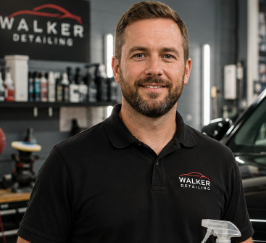
James Walker of Tech9AutoRepair.com notes that condition, vehicle size, and add-ons drive the price more than the label on the package. Choose professional services for deep stain removal, paint correction, and long-term protection; tackle routine washes, vacuuming, and light interior care yourself to save money and extend the time between professional visits.
Key Takeaways
- Prices vary mainly by vehicle size and the level of service chosen.
- DIY maintenance cuts costs, while professionals handle tough stains and paint work.
- Optional upgrades like ceramic coating and paint correction greatly raise the final price.
Factors Affecting Car Cleaning Pricing
Several key items drive price differences: the vehicle’s size and build, which services are chosen, and where the work is done. These three areas determine time, labor, and material costs for a full cleaning.
Vehicle Size and Type
Larger vehicles need more time and supplies. SUVs, trucks, and vans have more surface area and more interior crevices, so technicians charge more than for compact sedans. Luxury or specialty vehicles can increase price further because they require gentle products and care for delicate materials.
High-roof vans, extended cabs, and vehicles with roof racks often add extra labor. Convertible tops, leather interiors, and aftermarket wraps also raise costs since they need specific cleaning methods.
Use this quick size guide to compare typical relative costs:
| Vehicle Category | Typical Price Adjustment |
| Compact sedan | Base price |
| Midsize sedan / small SUV | +10–20% |
| Full-size SUV / truck / van | +20–40% |
| Luxury or specialty | +30–60% |
Service Package Options
Basic wash vs. full detail changes the bill a lot. A basic exterior wash and vacuum costs much less than a full-service package that includes deep interior shampoo, paint correction, and protective coatings.
Common tiers:
- Basic: exterior wash, quick interior vacuum.
- Standard: full interior clean, wax or polish.
- Premium: paint correction, ceramic coating, odor removal.
Add-ons like pet-hair removal, engine bay cleaning, or stain extraction each add fixed fees or hourly charges. Shops often list flat rates for common add-ons so customers can compare costs easily.
Geographical Location
Location affects labor rates, overhead, and demand. Urban areas with higher rents and wages usually charge more than rural towns. Regional differences can shift prices by 10–40% or more.
Local competition also matters. Areas with many detailers often have lower prices or more package choices. Remote locations may add travel or mobile-service fees, shown as a separate line item on estimates.
Types of Full Car Cleaning Services
A full car cleaning often covers the vehicle’s exterior, interior, and engine bay. Each part uses different tools, time, and products that affect cost and results.
Exterior Wash and Wax
Exterior work removes dirt, tar, and contaminants, then protects paint with wax or sealant. Technicians start with a pressure rinse, use a foam cannon and soft mitts, and perform wheel and tire cleaning with dedicated brushes and cleaners. Paint-safe clay barring or iron decontamination may follow to remove embedded particles.
Polish or paint correction is an optional step to remove light scratches and restore gloss. Final protection usually comes from a paste wax, synthetic sealant, or ceramic coating. Ceramic coatings last longest but cost significantly more.
| Step | Typical Time | Why It Matters |
|---|---|---|
| Pre-rinse & wash | 20–40 minutes | Removes loose dirt to avoid scratches |
| Clay or decontaminate | 15–30 minutes | Removes embedded particles for smoother paint |
| Polish (optional) | 30–90 minutes | Improves gloss and reduces swirl marks |
| Wax/sealant/coating | 15–60 minutes | Protects finish and extends shine |
Interior Detailing
Interior detailing cleans and restores surfaces inside the car: seats, carpets, dash, door panels, and windows. Technicians vacuum thoroughly, use brushes and steam or chemical cleaners for fabric and carpet, and apply leather cleaner and conditioner when needed.
Stain removal, odor treatment, and shampooing can add time and cost. They usually clean vents and crevices with compressed air and small tools to remove dust and debris. Final steps include glass cleaning and applying protectants to plastic and vinyl to reduce fading.
Engine Bay Cleaning
Engine bay cleaning focuses on degreasing and rinsing the engine compartment safely. Technicians cover sensitive electronics, use a degreaser to loosen oil and grime, agitate with brushes, then rinse and dry. This removes grease that can trap heat and hide leaks.
Shops may perform a light dressing to restore plastic and rubber appearance. A full engine detail can add time and cost and is usually optional unless the buyer, collector, or owner wants a show-ready engine bay. Typical standalone prices vary and depend on engine size and condition.
Average Price Ranges in 2026
Prices vary by vehicle size, service depth, and add-ons. Basic packages focus on quick cleaning, mid-tier adds deeper interior and exterior work, and premium plans include paint correction or ceramic coating.
Entry-Level Packages
Entry-level packages typically cost between $50 and $180 depending on vehicle size. They usually include a wash, vacuum, window cleaning, and basic tire dressing. Compact cars sit at the low end ($50–$120). Sedans and small SUVs often fall in the $60–$150 range.
These services are best for regular upkeep and light soil. They do not include deep shampooing, stain removal, or paint correction. Expect 30–90 minutes of work and few or no add-on protections.
| Vehicle Type | Typical Price | Main Inclusions |
|---|---|---|
| Compact car | $50–$120 | Wash, vacuum, windows, tire dressing |
| Sedan | $60–$150 | Same as above; longer time |
| SUV/Crossover | $80–$180 | Same as above; more surface area |
Mid-Tier Services
Mid-tier detailing usually ranges from $150 to $600. It covers full interior shampoo or steam cleaning, clay bar treatment, moderate paint decontamination, and a thorough exterior polish. Prices vary by the vehicle’s condition and size.
For many drivers, this tier delivers visible improvement in cleanliness and gloss. Typical service time runs 2–6 hours. Common add-ons include odor removal, headlight restoration, and fabric protection at extra cost.
Premium Detailing Packages
Premium packages start around $500 and can exceed $2,500 for advanced protections. They include multi-stage paint correction, ceramic coating or paint protection film (PPF), and complete interior restoration. Luxury and large vehicles command higher fees.
These services focus on long-term protection and cosmetic correction. Expect one to several days of work for coatings or major corrections. Businesses often quote per-stage pricing: paint correction levels, coating type, and square-foot PPF coverage determine the final cost.
Additional Costs and Optional Upgrades
These extras add time, special tools, or chemicals and often raise the final price more than basic services. Typical add-ons include deep pet-hair extraction and targeted odor treatments, each priced by effort and vehicle condition.
Pet Hair Removal
Pet hair removal often requires more labor and special tools than a standard vacuum. Detailers may use high-power vacuums, rubber brushes, carpet rakes, and compressed air to lift hair from fabric, carpet, and seat crevices.
Prices commonly range from a small flat fee up to $75–$150 for heavy coverage on a midsize vehicle. Factors that raise cost include embedded hair, long-haired pets, and full-seat coverage. Time can jump from 15–30 minutes for light hair to 1–3 hours for severe cases.
Expect extra charges if hair has caused matting, stains, or odor, since those issues need separate cleaning steps. Ask for a before-work estimate and a photo inspection to avoid surprise fees.
Odor Elimination Treatments
Odor treatments target smoke, pet smells, mildew, and food odors. Simple deodorizing sprays or ozone generators handle mild cases; deep ozone or enzyme treatments are needed for persistent odors.
Costs vary: basic deodorize services often cost $25–$75. Ozone or enzyme treatments usually run $100–$300 depending on vehicle size and how long the treatment runs. Severe smoke or mold problems may need multiple sessions or combined interior cleaning and upholstery shampooing.
Customers should request a diagnosis first. Effective treatment depends on locating the odor source—carpets, vents, or under seats—and fixing that before masking smells.
Professional vs. DIY Cleaning
This section compares money, time, and results for hiring a pro versus cleaning a car at home. It highlights typical price ranges, tools, and how much effort each choice requires.
Cost Comparison
They will usually pay $175–$400 for a full professional detail on a standard sedan, with add-ons like paint correction or ceramic coating raising the price to $500–$2,500. Professionals include labor, specialty equipment, and materials in that fee.
DIY initial costs often run $300–$500 or more for a pressure washer, vacuum, orbital polisher, and quality chemicals. Those supplies last for multiple cleanings, so per-detail cost drops after the first few uses.
| Item | Professional | DIY (Initial) |
|---|---|---|
| Full detail (sedan) | $175–$400 | — |
| Tools & supplies | Included | $300–$500+ |
| High-end add-ons | $500–$2,500 | Variable (materials + skill) |
They should weigh upfront DIY costs against recurring pro prices. For occasional detailing, a pro can be cheaper. For frequent care, DIY pays off after several uses.
Time and Effort Considerations
A professional detail typically takes 2–6 hours depending on vehicle size and services. The owner only drops off the car and returns later, saving personal time and avoiding physically demanding tasks.
DIY detailing demands several hours the first few times, often 4–8 hours for a thorough full detail by someone learning. Tasks include washing, clay bar or decontamination, polishing, interior vacuuming, and protecting surfaces.
They must factor in learning time and maintenance. DIY offers control and lower long-term cost, but it requires storage for tools, repeated labor, and a willingness to learn techniques to avoid paint damage.
Understanding Value for Money
A buyer should weigh what they get for the price and how often the service is needed. Key points include service quality, included tasks, and how cleaning frequency affects long-term costs.
Quality of Service
Quality depends on the tasks performed and the skill level of the detailer. High-quality full details usually include paint decontamination, machine polishing, shampooing and steam cleaning of upholstery, and application of protectants. These steps take time and require proper tools and products, which raises the bill but reduces the need for repeat fixes.
Look for specifics in the quote: number of polishing stages, type of wheel and brake cleaning, whether leather gets conditioner, and if interior plastics receive UV protectant. Certified technicians or shops with clear process lists often charge more but deliver longer-lasting results. For more on detailing standards and techniques, see professional car wash practices.
Frequency of Cleaning Needed
Frequency affects lifetime cost. A car driven daily in a salty climate needs more frequent detailing than one used for short trips in dry weather. Typical schedules: light maintenance every 1–3 months, full exterior detail twice a year, and interior deep clean once or twice a year.
Owners should match service level to use: frequent short cleanings keep surfaces protected and avoid heavy restoration later. Conversely, skipping maintenance may lower short-term spend but raise costs for paint correction or deep upholstery cleaning. Tracking mileage, parking conditions, and seasonal exposure helps decide timing and saves money over time.
How to Find Reliable Car Cleaning Providers
Focus on clear signals of quality: honest customer feedback, proof of training or certifications, and transparent pricing. Check specifics like service lists, photos of past work, and warranty or satisfaction guarantees.
Reading Customer Reviews
They should scan recent reviews on multiple platforms such as Yelp, Google, and local forums. Look for mentions of the exact service wanted (full interior shampoo, paint decontamination, ceramic coating). Pay attention to repeat points: punctuality, thoroughness, and how technicians handled stains or scratches.
Give extra weight to reviews that include photos and dates. Negative reviews matter when they show a pattern—one bad review alone is less important than several describing the same issue. Ask the shop for references or before/after photos if online evidence is limited.
Use review details to form specific questions: “Do you include steam cleaning of seats?” or “Which polish do you use on clear coat?” This helps confirm the written reviews match real procedures.
Verifying Certifications
They should confirm whether the provider holds industry certifications and training records. Look for manufacturer or trade group credentials related to paint correction, ceramic coatings, or detailing chemicals. Certified technicians usually follow safe application methods and product cure times.
Check for business-level credentials too: local business license, insurance, and a written service agreement. Insurance protects the owner if a technician damages the vehicle. If a shop claims a certification, verify it on the certifying organization’s site when possible.
When certification is missing, prioritize shops that clearly document their products and step-by-step processes. That transparency can be as useful as a formal certificate for predicting consistent results.
FAQS
What counts as a full car cleaning?
A full car cleaning usually means both interior and exterior detail work. It often includes washing, vacuuming, surface wipe-downs, window cleaning, and a basic protectant for surfaces.
How much should they expect to pay?
Prices vary by vehicle size and service depth. Typical ranges for a full detail run from about $150 to $500, with compact cars at the low end and large SUVs at the high end.
Do add-ons change the price?
Yes. Services like paint correction, ceramic coating, or stain removal raise the cost. These add-ons can range from a few dozen dollars to thousands for high-end coatings.
How long will the job take?
Time depends on service scope and vehicle condition. A standard full clean can take 2–6 hours; complex jobs may take a full day or more.
Should they tip or expect extra fees?
Tipping is optional but common for good service; 10–20% is typical. Expect extra fees for heavy pet hair, extensive odor removal, or severe staining.
How to choose a detailer?
They should check reviews, ask for before-and-after photos, and confirm what’s included in writing. A clear service list helps avoid surprise charges.
Quick price-guide table (typical ranges)
- Basic full clean: $150–$300
- Premium/full-service with extras: $300–$500+
- Specialty services (ceramic, PPF): $500–$2,500+
Conclusion
A full car cleaning can cost from about $80 to $500 or more. Prices vary by vehicle size, service level, and add-ons like ceramic coating or paint correction.
Drivers should match the service to their needs. Basic full details tackle interior and exterior cleaning, while premium packages add polishing, stain removal, and long-term coatings.
Expect SUVs and larger vehicles to cost more because of extra surface area. Extra dirty or neglected cars may need deep cleaning that raises the price.
They can save money by comparing local shops and reading reviews. Ask for an itemized quote and confirm which services are included before booking.
Quick reference:
- Typical range: $80–$500+
- Common add-ons: upholstery shampoo, paint correction, ceramic coating
- Vehicle size affects price: compact < sedan < SUV/truck
Choosing the right level of service helps balance cost and results. Getting clear pricing and inspecting work after service gives better value and satisfaction.
