
You can get a basic exterior wash and quick interior wipe-down in about 30 to 60 minutes, while a full detail with vacuuming, shampooing, polishing, and paint correction often takes 2 to 6 hours or more depending on the vehicle and condition. This means you can plan a quick clean on a lunch break or set aside half a day for deep detailing that restores and protects your car.
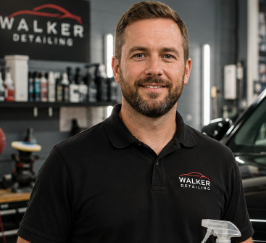
James Walker from Tech9AutoRepair notes that size, dirt level, and service type change timing fast: larger SUVs, heavy mud, or paint decontamination add hours, while automatic washes or focused quick-wash packages cut time to minutes. If you want long-lasting results, professional detailing and proper curing or protection steps take longer but give better paint and interior protection than a rushed DIY wash.
Key Takeaways
- Quick washes take about 5–60 minutes depending on method and vehicle size.
- Deep detailing usually requires 2–6+ hours for cleaning, restoration, and protection.
- Choose service level based on dirt, desired results, and how much time you can spend.
Key Factors That Impact Cleaning Time
Vehicle size, dirt level, and the chosen cleaning steps drive how long a job takes. Each factor changes labor, tools, and drying or cure times, so small differences can add 10–60+ minutes.
Type of Vehicle
Vehicle size changes surface area and access. A compact sedan has less paint, fewer crevices, and smaller carpets, so exterior wash plus a basic interior vacuum often takes 20–40 minutes. An SUV or pickup adds 30–50% more time because of larger panels, taller doors, and more cargo area to clean.
Body style and features matter too. Convertibles, trucks with bed liners, and vehicles with roof racks require extra rinsing and detail work. Complex shapes and deep wheel wells slow down brushes and hand tools. Luxury cars with delicate trims need gentler, slower methods to avoid damage, which increases time.
Below is a quick comparison of typical relative times.
| Vehicle Type | Typical Time Range | Main Time Drivers |
|---|---|---|
| Compact sedan | 20–40 minutes | Smaller surface, easy access |
| SUV / Crossover | 30–60 minutes | Larger panels, taller reach |
| Pickup / Van | 40–80 minutes | Bed / cargo area, more surfaces |
Level of Dirt and Stains
Light dust and pollen clean quickly with a rinse and standard soap. That usually adds only 10–20 minutes versus a spotless baseline. Heavy road film, tar, bird droppings, or tree sap require pre-treatment chemicals and longer dwell times, which can add 30–90 minutes depending on severity.
Interior soils vary a lot. A routine vacuum and wipe on a mildly used car takes 15–30 minutes. Stained upholstery, sticky residues, or pet hair need spot cleaners, agitation, and repeat passes. Wet or moldy areas require drying time to prevent odor, adding extra waiting and sometimes specialized equipment like a carpet extractor or air mover.
Selected Cleaning Methods
The chosen method sets baseline timing more than anything else. Automated tunnel washes take 5–10 minutes for the exterior only. Self-service bays usually take 15–30 minutes depending on the user’s speed and whether they hand-dry.
Hand washes and basic detail packages typically run 30–90 minutes for a full exterior and quick interior. Full professional detailing with deep-clean carpets, shampoo, paint decontamination, and polish commonly takes 2–6 hours. Paint correction or multi-step polishing can extend that to a full day or longer.
A short list of time factors by method:
- Automatic wash: fast exterior, minimal interior (5–10 min).
- Hand wash + dry: mid-range, better finish (20–45 min).
- Basic detail (interior + exterior): 1–3 hours.
- Full detail / paint correction: 3–8+ hours.
Differences Between Interior and Exterior Cleaning
Interior cleaning focuses on the cabin’s surfaces, fabrics, and air quality, while exterior cleaning targets paint, wheels, glass, and trim. Time varies by soil level, vehicle size, and whether extra treatments like stain removal or paint correction are needed.
Interior Detailing Timeframes
Interior detailing usually runs from about 1 to 6 hours. A basic interior clean—vacuum, wipe surfaces, clean windows—often takes 45–90 minutes for a standard sedan.
Deeper jobs add time: shampooing carpets, steam-cleaning upholstery, removing pet hair, or treating heavy stains can push the job to 3–6 hours. Larger vehicles like SUVs or vans add 30–90 minutes depending on seating and cargo area.
Technician count matters. One person working alone takes longer than a two-person crew that can split vacuuming, steam cleaning, and trim work.
Expect additional time for odor removal, air-vent cleaning, or interior protection coatings, typically 30–90 extra minutes depending on methods.
| Service | Typical Time | Notes |
|---|---|---|
| Basic cleaning | 45–90 minutes | Vacuum, wipe surfaces, glass |
| Deep clean | 3–6 hours | Shampoo, steam, stain/pet hair removal |
| Odor/vent treatment | 30–90 minutes | Ozone or specialized cleaning |
Exterior Wash Duration
Exterior washes typically take 20 minutes to 3 hours based on the level of service. A basic hand wash and dry often finishes in 20–40 minutes for a sedan.
Full exterior detailing—including decontamination (clay), polish, paint sealant or wax, and wheel/tire dressing—usually takes 2–3 hours. Paint correction or multi-stage polishing can extend work to 4–8 hours or more.
Wheels and brake dust require separate attention and add 15–45 minutes. Ceramic coating prep and cure steps add significant time and sometimes multiple visits.
Weather and drying time can affect scheduling; shaded, cool areas speed up safe drying for final inspection and protection application.
Professional Services Versus DIY Approaches
Professional shops save time and deliver consistent, high-quality results for complex jobs. DIY work fits routine upkeep and can be cheaper, but it takes longer for the same level of finish and requires more tools and learning.
Average Time for Detailing Shops
They usually quote time by package and service type. A basic exterior wash plus interior vacuum and wipe-down often takes 1.5–2.5 hours. A full detail—clay, polish, interior shampoo, and paint sealant—typically runs 4–8 hours and may be split across a day.
Special services add time: paint correction can take 6–12+ hours depending on swirl marks and scratches, and ceramic coating prep plus application often needs 1–2 days including cure time. Shops work faster because they use professional tools, trained staff, and a workflow that minimizes downtime.
| Service | Typical Time |
|---|---|
| Basic wash & interior tidy | 1.5–2.5 hours |
| Full detail | 4–8 hours |
| Paint correction | 6–12+ hours |
| Ceramic coating (prep + cure) | 1–2 days |
Typical Home Cleaning Times
At home, time varies with skill, tools, and how dirty the car is. A simple wash, dry, and quick interior vacuum usually takes 45–90 minutes for an average sedan. Adding clay bar, polish, or interior shampoo pushes the job to 3–6 hours and may span multiple sessions.
Beginners spend more time learning techniques like two-bucket washing, drying without scratches, and using a dual-action polisher safely. DIY saves money on labor but often requires buying supplies: microfiber towels, proper soaps, a vacuum, and sometimes a polisher. For best results, owners should plan longer for their first few attempts and expect faster times as they gain experience.
Quick Wash Options and Their Duration
Quick washes focus on cleaning the exterior fast while removing surface dirt and road grime. They trade deep cleaning for speed and are best when the vehicle needs a tidy appearance before driving.
Automated Car Wash Speed
Automated tunnel and in-bay automatic washes typically take 3–10 minutes once the vehicle enters the machine. Most conveyor tunnel washes run 4–7 minutes from pre-soak to final rinse. Touchless systems can be faster but may leave light spots or missed stubborn grime.
Wait times at busy locations add another 5–20 minutes, so plan extra time during peak hours. Selected add-ons — wax, wheel polish, undercarriage rinse — add 1–5 minutes each. Machines require less effort from the driver and offer consistent results, but they vary in cleaning power by cycle chosen.
Below is a quick comparison of common automated wash cycles:
| Cycle | Typical Time | What It Cleans |
|---|---|---|
| Basic rinse | 3–4 minutes | Rinse and dry |
| Full wash | 5–7 minutes | Soap, brush or cloth, rinse, dry |
| Deluxe (wax, wheel) | 7–10 minutes | Extras like wax, wheel cleaner |
Express Hand Washes
Express hand washes usually take 15–30 minutes for a standard sedan when staffed and organized. Technicians focus on quick foam, hand wash, towel-dry, and a basic interior quick-vac or wipe-down if included.
Vehicle size affects time: compact cars run toward 15 minutes, SUVs and trucks toward 25–30 minutes. Heavy dirt or tar adds time for pre-treat and agitation. If the service includes a clay bar, paint decontamination, or full interior shampoo, expect a longer service labeled as a detail rather than an express wash.
Common express hand wash steps look like this:
- Pre-rinse and foam
- Hand wash and wheel clean
- Towel dry and spot-check
- Quick interior wipe or vacuum (if selected)
Deep Cleaning and Detailing Procedures
This work restores surfaces and removes embedded dirt, stains, and oxidation. Timelines change with vehicle size, condition, and which restoration steps are chosen.
Full-Service Detailing Durations
Full-service detailing commonly runs 3–6 hours for a typical sedan that is in fair condition. This includes interior shampooing, steam-cleaning seats and carpets, leather conditioning, wheel and brake dust removal, clay bar decontamination, and a thorough exterior wash.
Heavily soiled or neglected vehicles can take 6–10+ hours. Technicians will spend extra time on stubborn stains, pet hair removal, odor treatment, and multi-step paint correction. Larger SUVs and trucks add 30–60 minutes or more.
Shops often break the job into clear steps with time estimates:
- Interior deep clean: 1–2.5 hours
- Exterior decontam & wash: 0.5–1.5 hours
- Paint correction / sealing: 1–3+ hours
Clients should ask for an itemized estimate and whether the shop schedules extra time for drying, curing, or multi-step restoration.
Waxing and Polishing Steps
Polishing and waxing follow cleaning and paint decontamination. Polishing uses abrasives or polish compounds to remove light scratches and swirl marks. A single-stage polish on a small car typically takes 30–60 minutes; multi-stage correction can take 2–4 hours.
Waxing or sealing protects the finish after polishing. Hand-applied paste wax needs 15–30 minutes to apply plus 10–20 minutes to buff per panel. Paint sealants or ceramic coatings require careful surface prep and can add 1–3 hours for application, plus recommended cure time that may mean no immediate washing for 24–48 hours.
Key steps:
- Inspect paint for defects
- Clay and wash to remove contaminants
- Polish with appropriate pad/compound
- Clean residue and apply wax/sealant Following those steps keeps results consistent and helps shops give accurate time estimates.
Seasonal Considerations and Weather Impact
Weather changes affect how long cleaning tasks take and which steps are needed. Cold, heat, humidity, and seasonal debris change drying times, product choice, and the risk of streaks or corrosion.
Drying Times in Different Climates
In hot, dry climates, water and quick-detail sprays evaporate fast. That speeds rinsing and drying but raises the chance of water spots if the car sits in direct sun. Use a shaded area or a misting rinse followed by a microfiber drying towel to avoid spots.
In humid or coastal areas, surfaces dry slowly and can hold salt or pollen longer. Drying may take twice as long and require extra wipe-downs and a focused undercarriage rinse to remove salt. For best results, use a drying aid or blower to remove trapped moisture from crevices.
In cold or freezing weather, water can freeze on paint and trim. Detailers limit water use, choose touchless washes, and dry seams with compressed air. Allow extra time in a warm garage to fully dry seals and door jambs before driving.
Effect of Temperature and Humidity
Temperature affects product performance. Wax and sealants cure faster in warm (60–80°F / 16–27°C) conditions and may not bond well below freezing. Cleaners and polishes also work best within manufacturer temperature ranges, so check labels before use.
High humidity slows evaporation and can cause streaking or dye transfer from wet fabrics. Low humidity speeds drying but increases water-spot risk. Adjust technique: dry quickly in low-humidity heat; use additional rinses and a drying aid when humidity is high.
Temperature and humidity also change the time needed for interior cleaning. Hot, humid cabins take longer to dry after shampooing upholstery, so plan extra airing time or use a dehumidifier in enclosed spaces.
Tips for Minimizing Cleaning Time
They should gather supplies before starting. Laying out microfiber towels, brushes, cleaners, and a vacuum saves trips back and forth and keeps the process moving.
They should work top to bottom and outside to inside. Cleaning windows and roof first prevents re-soiling lower surfaces. This order cuts rework and speeds the job.
They should use multi-purpose products where safe. One cleaner for many surfaces reduces switching and saves time. Always test on a small hidden area first.
They should pre-treat heavy dirt, stains, and pet hair. A quick spray and short dwell time loosens grime so scrubbing goes faster.
They should use tools that speed tasks: a cordless vacuum, extendable brush, and pressure washer or foam cannon for the exterior. Proper tools can cut hours to minutes without harming the car.
They should split tasks into short, focused sessions. Ten- to twenty-minute bursts with a checklist keep momentum and avoid fatigue. This approach keeps progress steady and predictable.
They should consider professional help for deep jobs. Detailers typically finish faster because of specialized tools and training. For basics about professional standards, see automotive detailing.
They should keep a maintenance routine. Quick weekly wipes and vacuuming prevent buildup and make full cleans much shorter over time.
When to Schedule Your Next Cleaning
They should schedule the next cleaning based on use, environment, and protection level. Daily drivers in rainy or salty areas need washes every 1–2 weeks. A light interior wipe can happen weekly to prevent buildup.
If the car has a ceramic coating or paint protection film, extend the interval to 6–12 weeks for a full detail. These coatings reduce wash frequency but still need periodic maintenance and inspection. For guidance on coatings, the reader can consult general coating info like ceramic coating basics.
Seasonal changes affect timing. Spring and fall demand deeper cleanings to remove pollen and road grime. Winter requires more frequent washes to remove salt and slush that cause corrosion.
Use a simple checklist to decide now:
- Visible dirt or bird droppings: clean immediately.
- After long trips: do a full exterior and quick interior clean.
- Every 3–6 months: professional or thorough DIY detail for paint and interior care.
They should also track mileage and conditions. Heavy off-road use or parking under trees means shorter intervals. Light use and garage storage can stretch time between full details.
FAQS
What is the typical time for a basic car clean?
A basic clean usually takes 30 to 60 minutes. It covers an exterior wash, window wipe, and a quick interior vacuum or dusting.
How long does a full detail take?
A full detail often takes 2 to 6 hours. Time varies with vehicle size, condition, and services like shampooing, polishing, or paint correction.
Can detailing take longer than a day?
Yes. Complex jobs, heavy stains, or multi-step paint correction can stretch into a full day or several days. Professionals will usually give a time estimate before starting.
Do self-cleaning times differ from professional services?
They do. DIY cleaning can take longer for inexperienced people but costs less. Professionals work faster thanks to tools, products, and experience.
What affects cleaning time the most?
Major factors include how dirty the car is, the services requested, and the vehicle’s size. Specialized treatments like odor removal or engine cleaning add extra time.
Is there a quick option for busy schedules?
Express washes or basic interior refreshes can be done in 15–45 minutes. They don’t replace deep cleaning but help maintain appearance between full services.
How should someone plan for a detailing appointment?
They should ask for a time estimate, list desired services, and mention heavy stains or damage. This helps the detailer set realistic expectations and schedule properly.
Conclusion
They can plan cleaning time based on the job type and vehicle size. Quick exterior washes usually take 30–60 minutes, while basic detailing often needs 2–3 hours. Full, deep details can range from 4 hours to a full day for larger or very dirty cars.
The main factors that change timing are vehicle condition, service level, and whether it’s done by a pro or DIY. Heavier dirt, stains, or extra services like paint correction add hours. Mobile services save travel time but may still need the same work time.
A simple checklist helps set expectations:
- Quick wash: 30–60 minutes
- Basic detail: 2–3 hours
- Full detail/deep clean: 4+ hours
They should book extra time when the car needs stain removal, upholstery shampooing, or paint work. He or she can also split tasks over multiple sessions to fit a busy schedule. Choosing a professional brings consistent timing and results, while DIY gives flexibility but may take longer.
Budget time conservatively. It prevents rushing and ensures each step gets proper attention, which leads to a cleaner, longer-lasting result.
